D2C Guide: How to Sell Chinese Scarves, Sling Bags & Wallets in India via Personal Import (2026)
Learn how to sell scarves, sling bags & wallets from China directly to Indian buyers via personal import. No IEC, BIS or compliance needed.
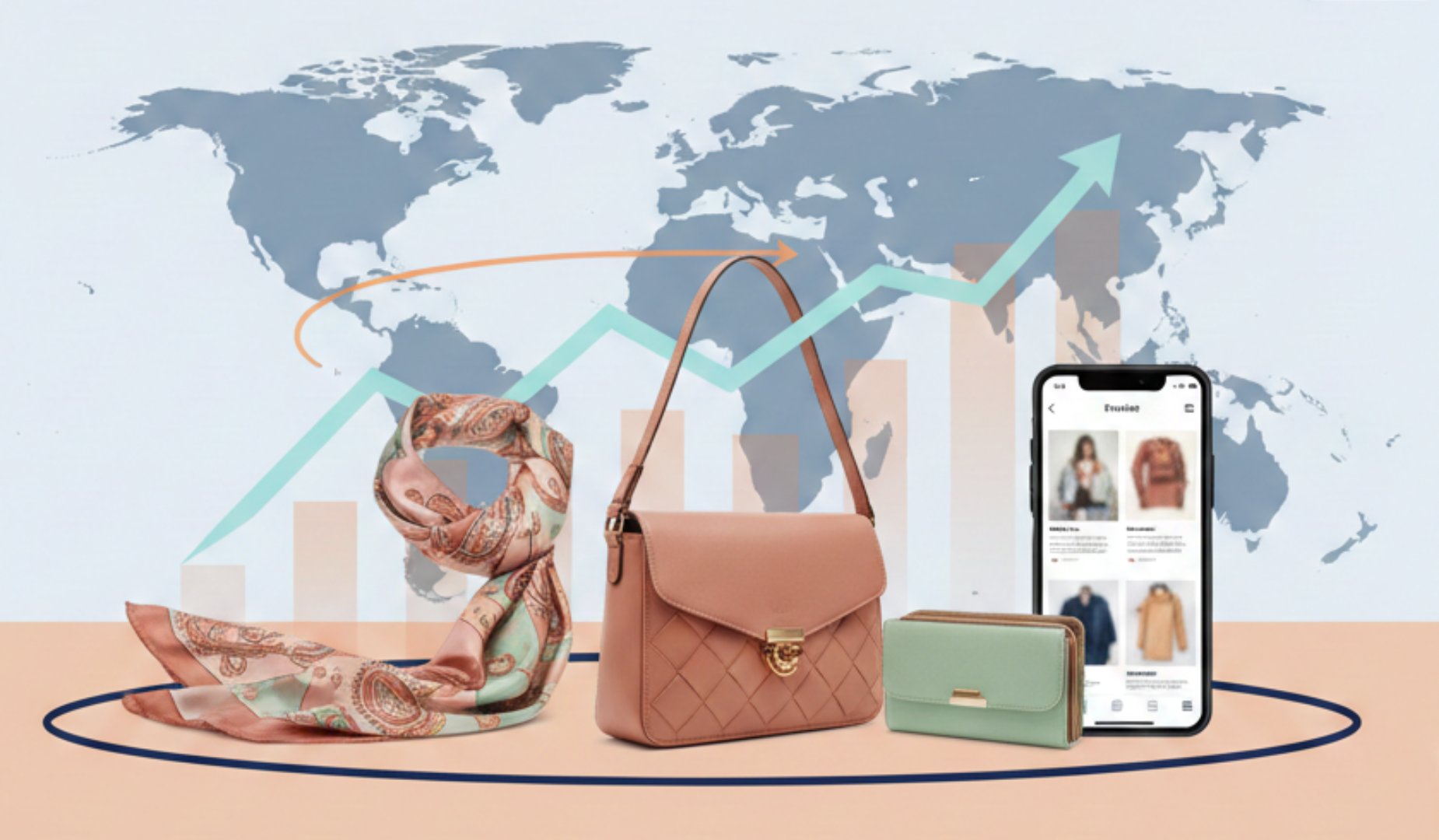
India’s fashion accessories market is already worth around US$17.5 billion in 2025 and is growing at about 9.1% CAGR, projected to reach roughly US$28.6 billion by 2031. Scarves, sling bags, and wallets sit right in the sweet spot of this growth, they are impulse buys driven by Instagram trends, influencer looks, and rising disposable income among young urban women.
For Chinese factories and traders in Yiwu and Guangzhou, this is a huge opportunity. China is already the world’s primary sourcing hub for these products, offering massive variety, low MOQs, and highly competitive pricing.
The challenge is that traditional commercial importing into India needs IEC, BIS, LMPC, EPR, and GST, which is complex, slow, and expensive for a foreign seller. The personal import D2C model solves this, the parcel is cleared as a personal consignment in the Indian buyer’s name, so you can sell Chinese scarves in India, ship sling bags to the India market, and let buyers import from China without taking on Indian commercial compliance yourself.
For a deeper strategic view of this model, see: Personal Import vs Commercial Import in India (2026): A D2C Playbook for Foreign & Chinese Brands.
Why Scarves, Sling Bags & Wallets Are Perfect for Personal Import D2C
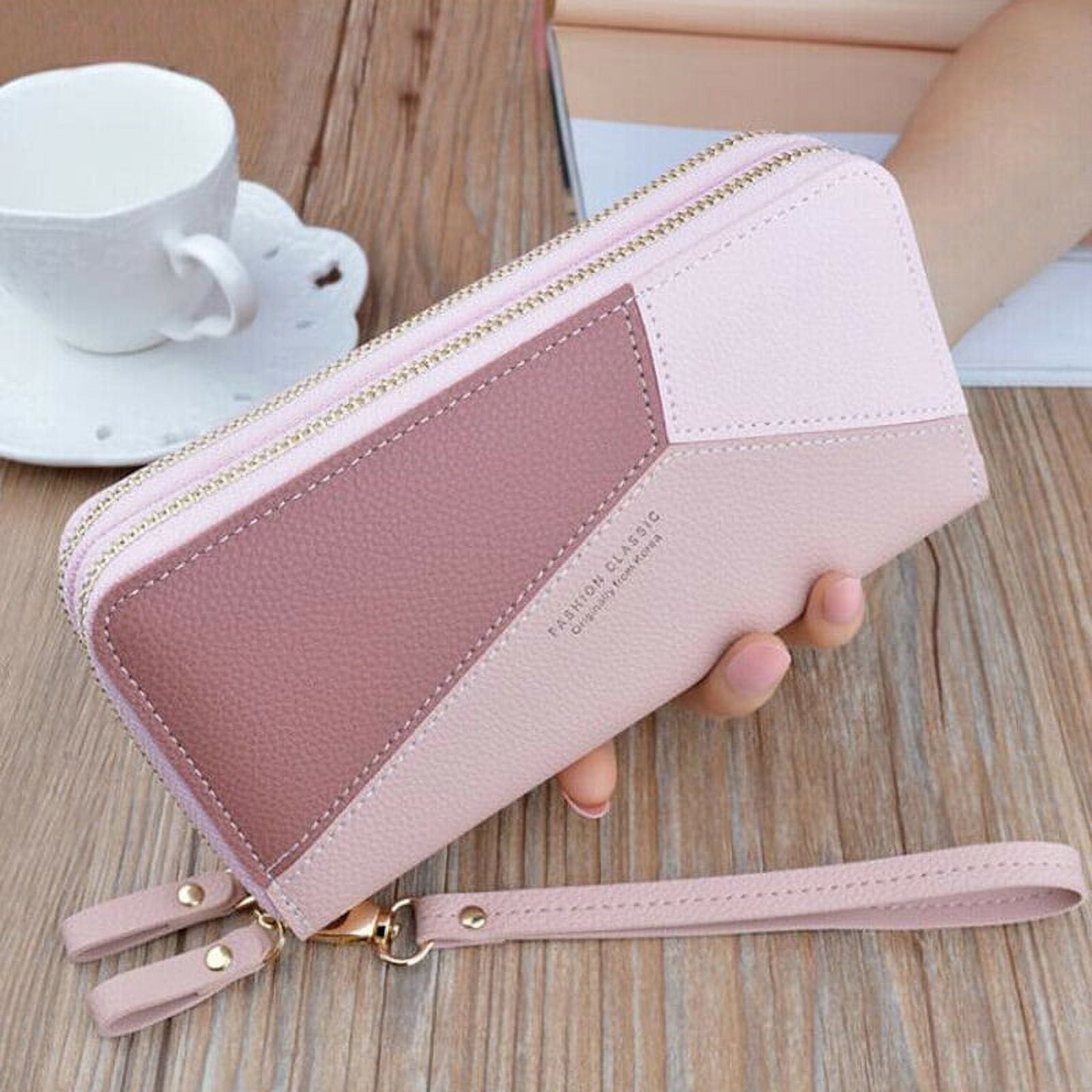
Scarves, sling bags, and wallets fit the personal import model almost perfectly because they combine low weight, strong demand, and minimal compliance complexity. Scarves are very lightweight (often 50–200 grams), so per-piece courier costs stay attractive, especially for polyester and other light blends, and markets like Yiwu and Guangzhou offer a huge variety of silk, polyester, pashmina-style, viscose, and cashmere blends that are ideal for Instagram-style collections and seasonal drops.
If you want more background on fashion accessories compliance generally, check: How to Sell International Fashion Jewellery & Accessories in India.
Customs Duty — What the Indian Buyer Actually Pays
For most courier/post shipments, Indian customs calculates duty broadly as:
- Assessable Value = CIF = product cost + shipping + insurance.
- Total Duty = Basic Customs Duty (BCD) + Social Welfare Surcharge (SWS) + IGST
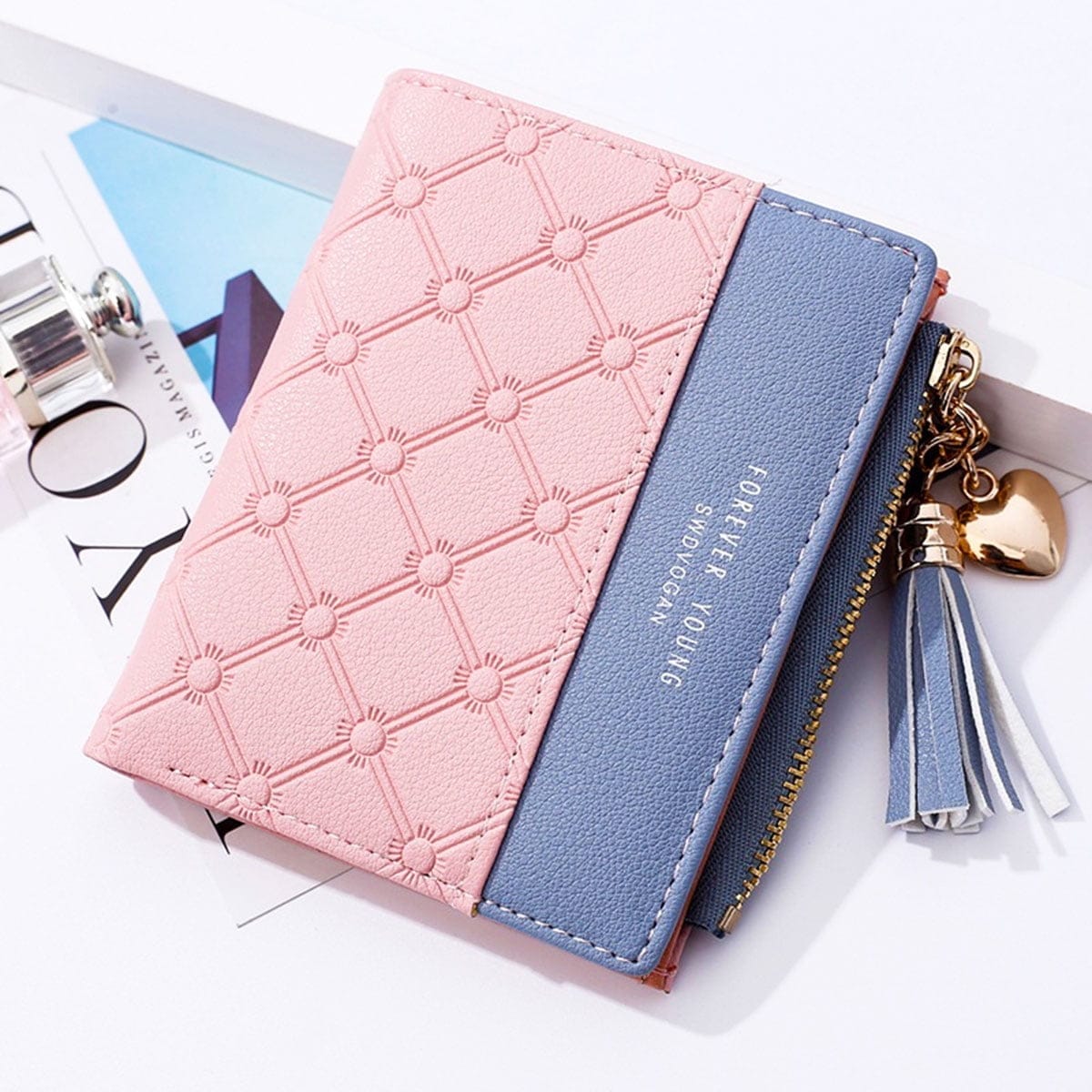
Example: Bags/wallets shipped to India
Assume:
- Product + shipping (CIF) = ₹7,000
- HS 4202 (Bags/ wallets), but, when importing for personal use HS will 9804
- BCD around 10% and IGST 18%
- SWS 10% of BCD
Illustrative calculation using BCD 10% and IGST 18%:
- BCD = 10% of ₹7,000 = ₹700
- SWS = 10% of ₹700 = ₹70
- Subtotal for IGST = ₹7,000 + ₹700 + ₹70 = ₹7,770
- IGST = 18% of ₹7,770 = ₹1,398.6
- Total duty ≈ ₹700 + ₹70 + ₹1,398.6 = ₹2168.6
So the buyer pays ₹2,168.6 in duty on a ₹7,000 CIF parcel >> effective duty load ≈ 30.98% of CIF value.
Pricing tip for D2C sellers
- When you sell Chinese scarves in India using this model, build 28–37% duty into your pricing logic.
- Many serious D2C brands either:
- Show “duty included” pricing, or
- Show a clear “estimated duty” line on the product page or in FAQs.
Step-by-Step: How to Sell to India Using Personal Import D2C
This as a small playbook you can follow from Day 1.
Step 1: Set up your online storefront
Pick 1–2 core channels first:
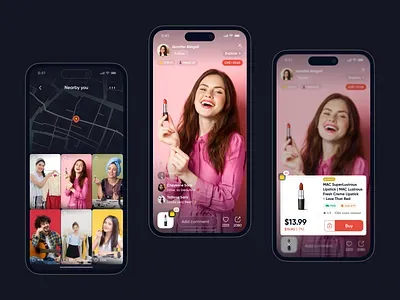
- Instagram Shop / Reels: The most powerful discovery engine for fashion accessories in India, especially scarves, sling bags, and wallets.
- WhatsApp Business catalogue: Indian buyers love chatting before purchase, WhatsApp is where conversion happens.
- Shopify/ WooCommerce store: Ideal if you want a structured website with INR pricing and standard checkout.
Step 2: Collect payment from Indian buyers
Since you’re outside India, you need a cross-border payment path:
cross-border platforms like EximPe that let you collect in INR (via UPI, cards, net banking) and settle to your overseas account. EximPe Offer familiar Indian options (UPI, cards) to your end customer.
Important: Clearly state whether customs duty is already included or will be collected by the courier.
Step 3: Pack, label & ship to the buyer
Once payment is received:
- Ship via DHL, FedEx, Aramex (best for bags and wallets) or China Post/India Post (best for lightweight scarves).
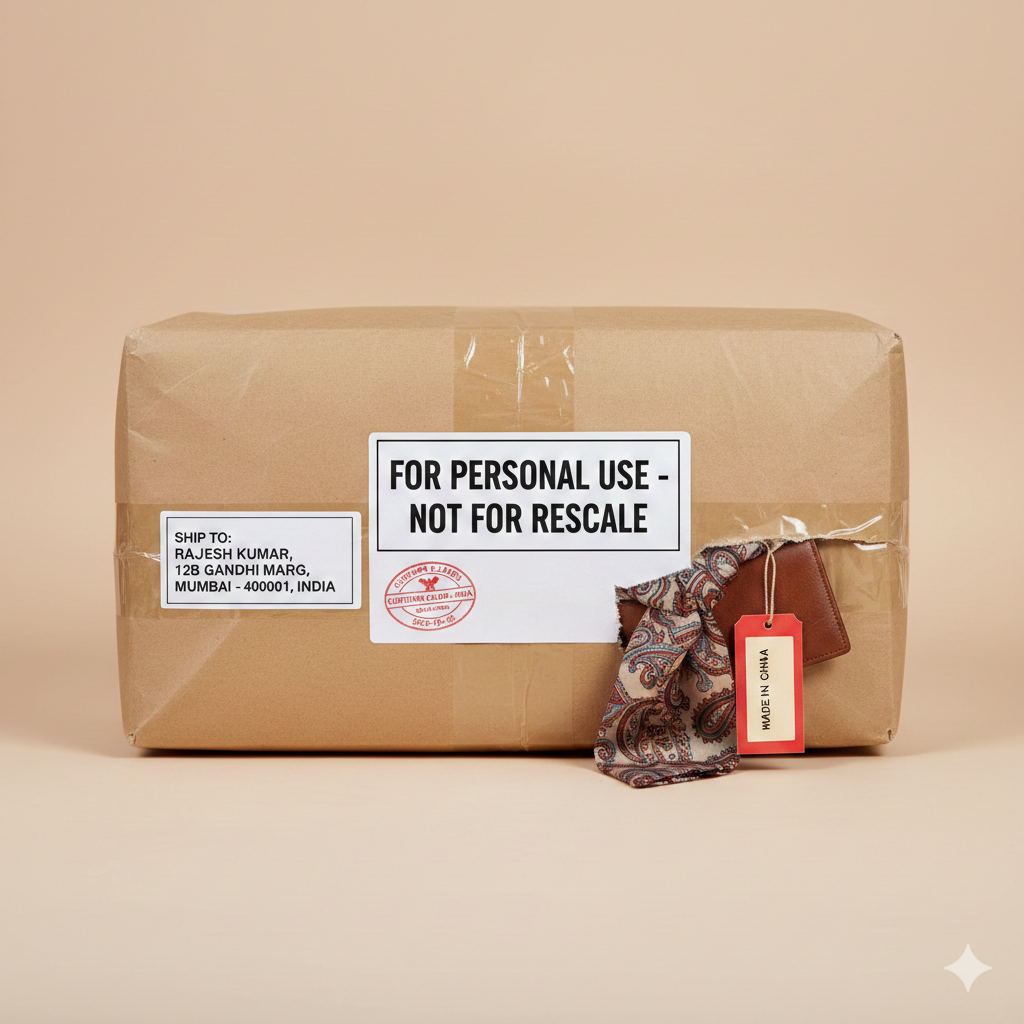
- Consignee name and address must be the Indian end-buyer, not an Indian reseller or warehouse.
Note: Include a commercial invoice inside and attached, also, Declare “For personal use, not for commercial resale.”
Step 4: Courier handles customs clearance
- India Post/ DHL/FedEx/Aramex act as authorized couriers and customs brokers, filing the shipment data with Indian customs.
- The buyer must provide KYC documents, typically Aadhaar, PAN, passport, or voter ID, which the courier collects once and reuses for future shipments to that buyer.
- Customs assesses duty and sends the payable amount to the courier, the courier then Collects it online before delivery, or Collects it at the doorstep (COD for duty only).
Step 5: Buyer receives the product
- Express courier: 4–10 days door-to-door for most Chinese cities to metro India.
- Postal (China Post/ePacket >> India Post): 15–30 days depending on routing and customs load.
Step 6: Post-sale, returns, support & loyalty
To build a real brand, not just one-off orders:
- Publish a clear exchange/return policy
- Use WhatsApp to:
- Confirm delivery and ask for a quick review.
- Show how to style the scarf or bag (simple Reels or images).
This is how you create repeat orders and referrals without any Indian warehouse.
What Compliance You DON’T Need, The Big Advantage
Because every parcel is imported in the personal name of the Indian buyer, a long list of Indian compliances are not applicable like: IEC (Importer Exporter Code), BIS Certification, LMPC (Legal Metrology Packaged Commodities), EPR (Extended Producer Responsibility), GST Registration, FSSAI.
Important: if the same Indian address repeatedly receives many units or high volumes, customs can reclassify the pattern as commercial and question it.
Marketing Playbook: How to Reach Indian Buyers
Instagram — your primary engine
WhatsApp Business — the conversion engine
Pinterest — long-tail traffic
For a deeper strategic view of this channels check: How to Sell International Fashion Jewellery & Accessories in India.
Common Mistakes to Avoid
- Shipping multiple units of the same item to one address, customs may treat it as commercial, not personal.
- Under-declaring invoice value, customs can re-assess value, levy penalties, and even seize goods.
- Not informing buyers about customs duty upfront, they refuse delivery when they see the duty bill, and shipments get returned or destroyed.
- Shipping counterfeit/branded-logo products, Indian customs and brand owners actively seize and destroy such items.
- Poor packaging, sling bags need stuffing to retain shape, wallets need rigid mailers so they don’t bend.
- Ignoring KYC — if the buyer doesn’t share PAN/Aadhaar or other KYC to the courier, the shipment sits in customs indefinitely
FAQs
Do I need an IEC to ship scarves, bags, or wallets to Indian buyers?
In the personal import model, the Indian buyer is treated as the importer, and bona fide personal shipments do not require an IEC from the foreign seller.
How much customs duty will the Indian buyer pay?
All personal imports fall under the HS code 9804 and attracts a duty of 30.98% of the CIF value.
What if the Indian buyer refuses to pay customs duty?
In that case, the shipment is usually returned to origin or, in some cases, abandoned and destroyed.
Which courier is best for shipping from China to India?
Use DHL or FedEx for higher-value bags and wallets (fast, insured, strong tracking) and China Post/ePacket>>India Post for lightweight scarves where price sensitivity is high and buyers can wait longer.
Can I sell on Amazon India or Flipkart using this model?
No. Marketplaces like Amazon/Flipkart require a registered Indian seller with GST, and they operate on a commercial import model, not on personal import.