For Foreign Merchants
For Indian Businesses
© 2026 EXIMPE. ALL RIGHTS RESERVED.
Expert insights on cross-border payments, global trade, and international finance.
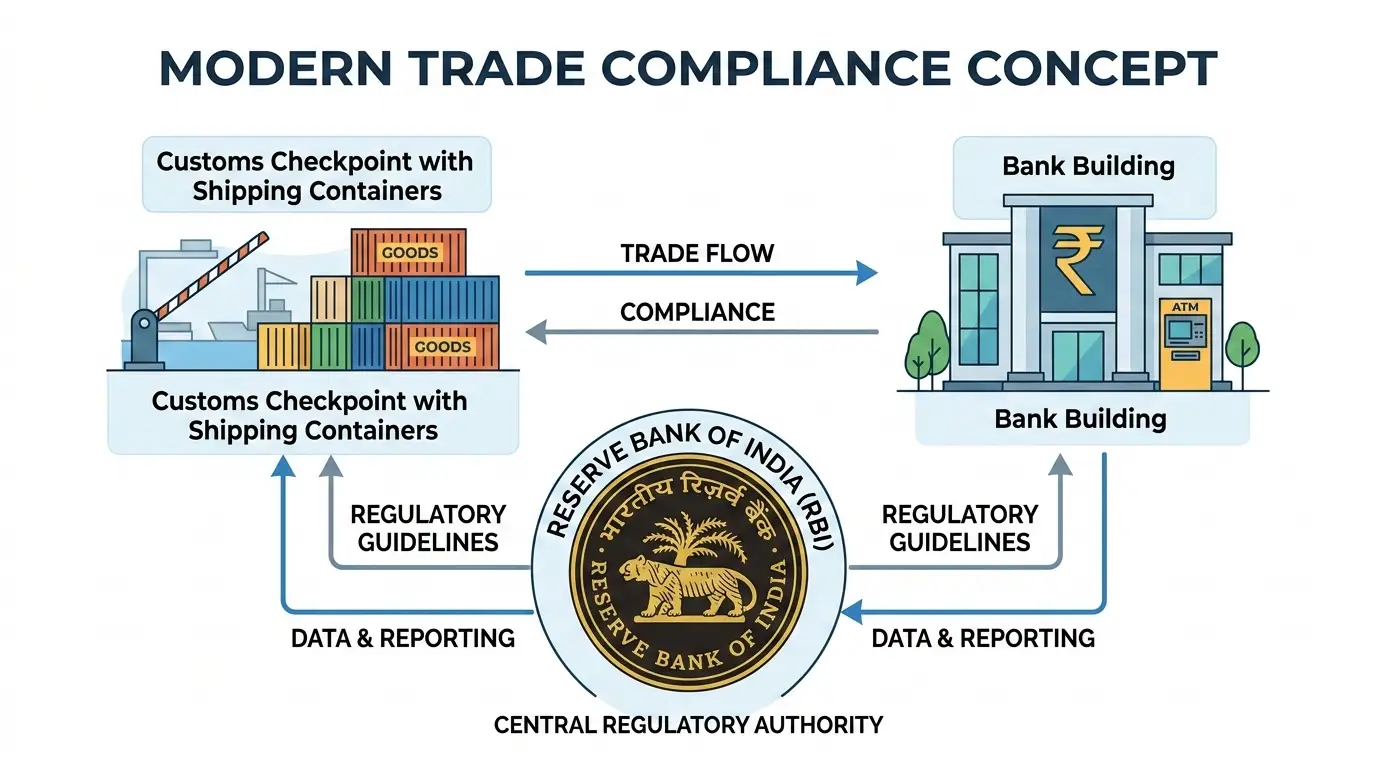
The Reserve Bank of India (RBI) runs two core trade-monitoring platforms: IDPMS for imports and EDPMS for exports. Together they connect Customs, authorised dealer (AD) banks, and RBI so that every dollar of foreign exchange going out or coming into India is matched with actual trade. The Import Data Processing and Monitoring System (IDPMS) is RBI’s central digital platform to track import transactions from shipment to final payment. It went live nationwide on 10 October 2016 after pilot work a
A merchanting trade transaction is a trade where an Indian entity buys goods from a seller in one foreign country and sells them to a buyer in another foreign country, with the goods shipping directly between those two countries and never entering India's Domestic Tariff Area. The Indian party is a principal, not a broker, it takes title, takes the risk, and keeps the margin between the import leg and the export leg. Merchanting trade is regulated by the Reserve Bank of India under FEMA, and bot
From 1 October 2026, services crossing India's border run through the same two systems as goods: your bank enters an import of services in IDPMS, and a business exporting services files an EDF form, the Export Declaration Form. Both come from the Foreign Exchange Management (Export and Import of Goods and Services) Regulations, 2026, Notification No. FEMA 23(R)/2026-RB dated January 13, 2026, as amended on September 22, 2026. If you pay a foreign software vendor, consultant or agency, or you bil
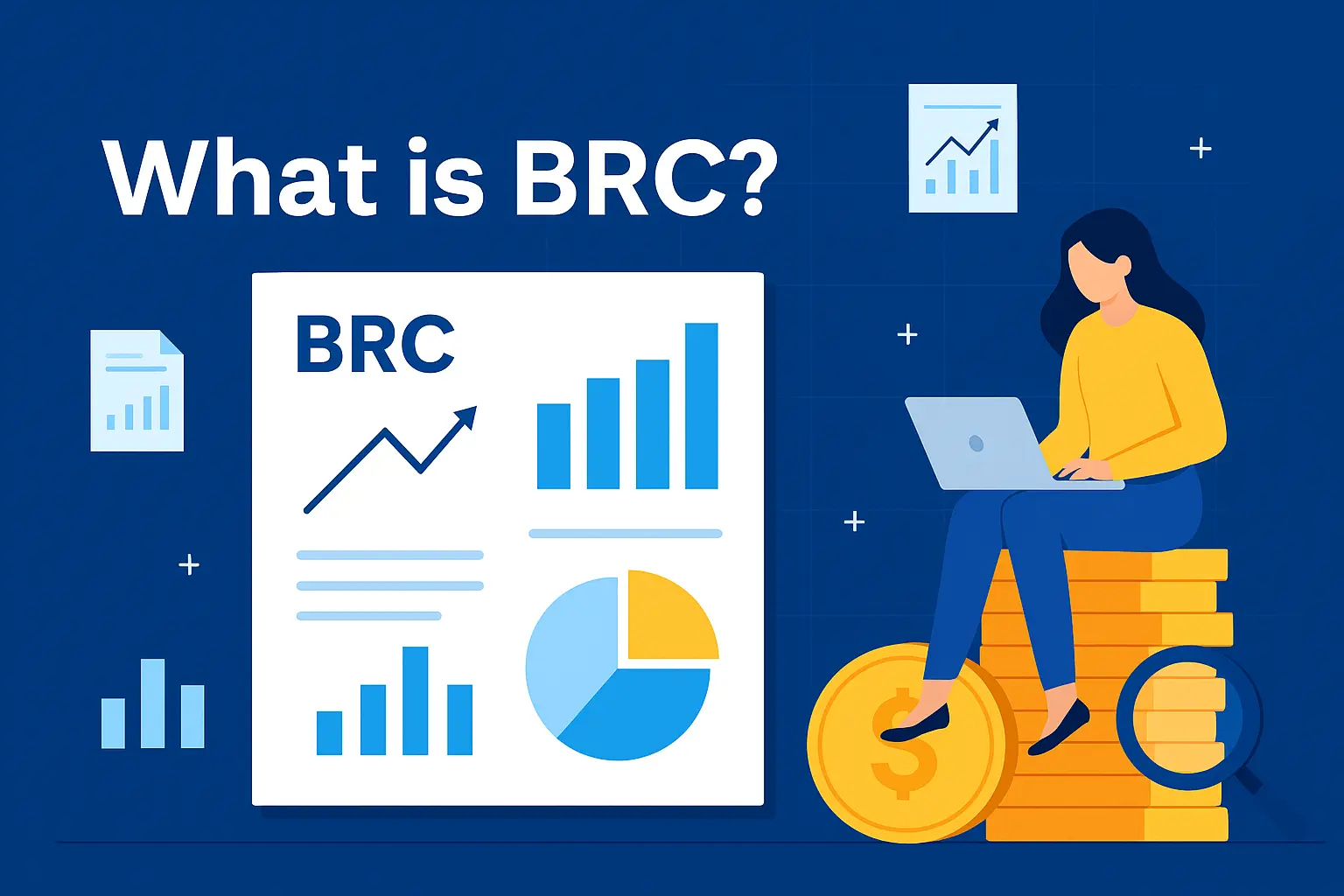
In export, BRC stands for Bank Realisation Certificate: the record that the payment for a specific export has been received in India against that shipping bill or invoice. Today it exists as the eBRC, the electronic Bank Realisation Certificate on DGFT's portal. Since Trade Notice 33/2023-24 dated 10 November 2023, the exporter generates it by self-certification from the Inward Remittance Messages (IRMs) the bank sends to DGFT. It is used to claim benefits under the Foreign Trade Policy and, for
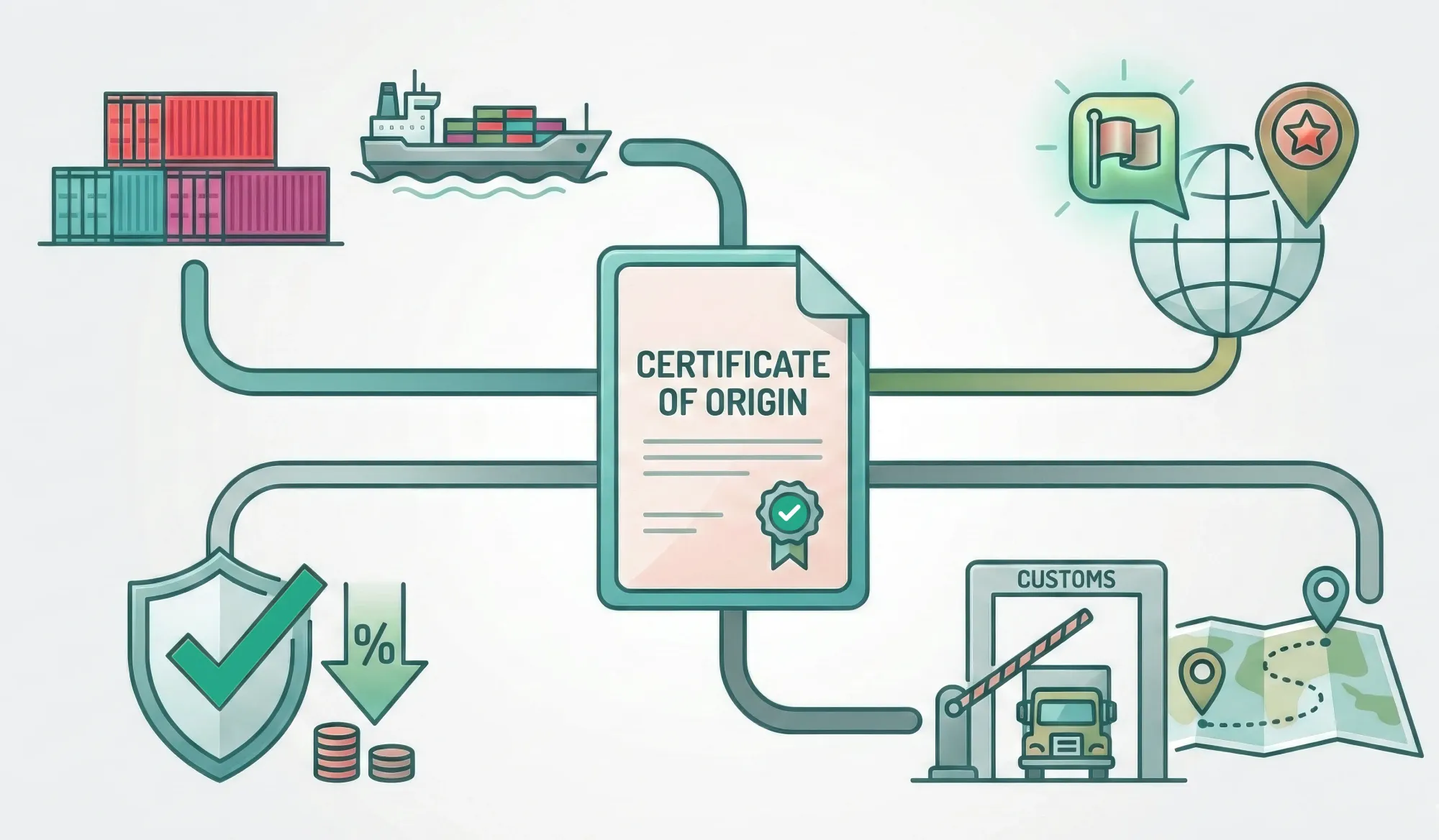
A certificate of origin in India is the document that proves where goods were made, and it decides whether an importer can claim the lower customs duty agreed under a trade agreement. Importers produce it at the time of filing the Bill of Entry to claim that rate. Exporters obtain it on DGFT's trade.gov.in portal so their overseas buyer can do the same. Since March 2025 the law calls it a proof of origin, a term that covers both certificates from issuing authorities and, where an agreement allow
If your business is outside India and you sell digital services to Indian consumers, India expects you to register for GST and file a monthly return. There is no turnover threshold to cross first. The obligation starts at the first sale. This is the registration walkthrough and the filing cycle, taken from the GST portal's own documentation, including the two requirements that stop most applications before they start. The short answer OIDAR stands for Online Information and Database Access o