Customs Bonded Warehousing in India: How Importers Can Defer Customs Duty
Learn how customs bonded warehousing in India lets importers defer BCD and IGST until sale. Complete guide to Section 58, Section 65, MOOWR 2019
Listen to article
Audio version (0% complete)
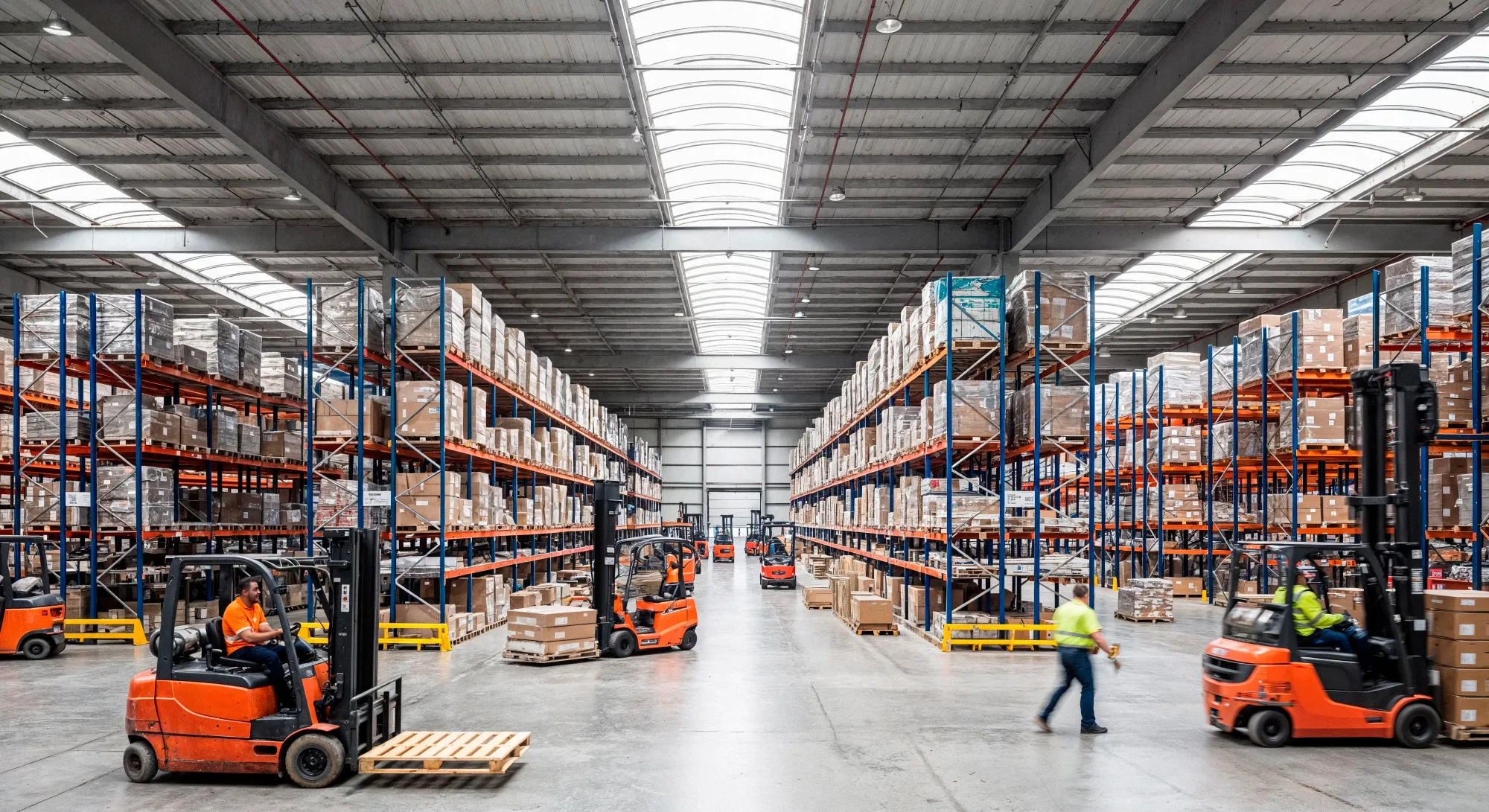
A customs bonded warehouse in India is a government authorized facility where importers can store goods without immediate payment of customs duties, paying only when goods are cleared for domestic sale or exporting them duty-free. This duty deferment scheme dramatically improves working capital, allowing businesses to time inventory releases strategically while keeping cash available for growth.
Introduction to Customs Bonded Warehousing (CBW)
A customs bonded warehouse is a secure storage facility licensed by the Central Board of Indirect Taxes and Customs (CBIC) where imported goods—both raw materials and finished products can be stored without paying import duties upfront. The fundamental purpose is duty deferment, instead of paying Basic Customs Duty (BCD) and Integrated Goods and Services Tax (IGST) at the time of import, these obligations are postponed until goods exit the warehouse for home consumption (Domestic Tariff Area or DTA).
The MOOWR 2019 Revolution
In June 2019, CBIC completely revamped India's bonded warehousing framework through the Manufacture and Other Operations in Warehouse (No. 2) Regulations, 2019 (MOOWR). This regulatory overhaul was designed to:
- Align with the Make in India initiative by encouraging manufacturing without upfront duty burdens.
- Simplify procedures with a single integrated application for warehouse licensing and manufacturing permissions.
- Remove export obligations, allowing units to sell 100% of production domestically if desired.
- Introduce perpetual validity for licenses, no renewal required unless cancelled or surrendered.
The changes were further clarified through CBIC Circular No. 34/2019-Customs dated 1st October, 2019, which prescribed standardized forms, compliance requirements, and audit procedures.
Who Can Use Bonded Warehouses
Eligibility Criteria
Any Indian entity, whether an existing manufacturer, a new startup, or a trading company can apply for bonded warehousing. The applicant must:
- Be a citizen of India or an entity incorporated or registered in India.
- Obtain a Section 58 license for operating a private bonded warehouse under the Customs (Private Warehouse Licensing) Regulations, 2016.
- For manufacturing or processing activities, additionally secure Section 65 permission under MOOWR 2019.
CBIC has streamlined the process: applicants can submit a combined application for both Section 58 (warehouse license) and Section 65 (manufacturing permission) through a single form on ICEGATE, the online customs portal.
Duty Deferment Mechanism How Duty Deferment Works
When raw materials, inputs, or capital goods are imported into a bonded warehouse, both Basic Customs Duty (BCD) and IGST are deferred, not paid at import. This is explicitly a duty deferment scheme, not an exemption.
Duty becomes payable only when:
- Goods (finished products or inputs) are cleared to the Domestic Tariff Area (DTA) for home consumption, by filing a Bill of Entry for Home Consumption under Section 68 read with Section 61 of the Customs Act.
Duty is completely waived when:
- Finished goods are exported from the bonded warehouse, filed under a Free Shipping Bill. Since the inputs never left bond before export, no duty is ever collected on them.
No Interest, No Time Limit
One of the biggest advantages is no interest is charged on the deferred duties, regardless of how long goods remain warehoused. Additionally, there is no upper time limit for storage (except for pure trading activities), giving businesses unlimited flexibility to time market releases.
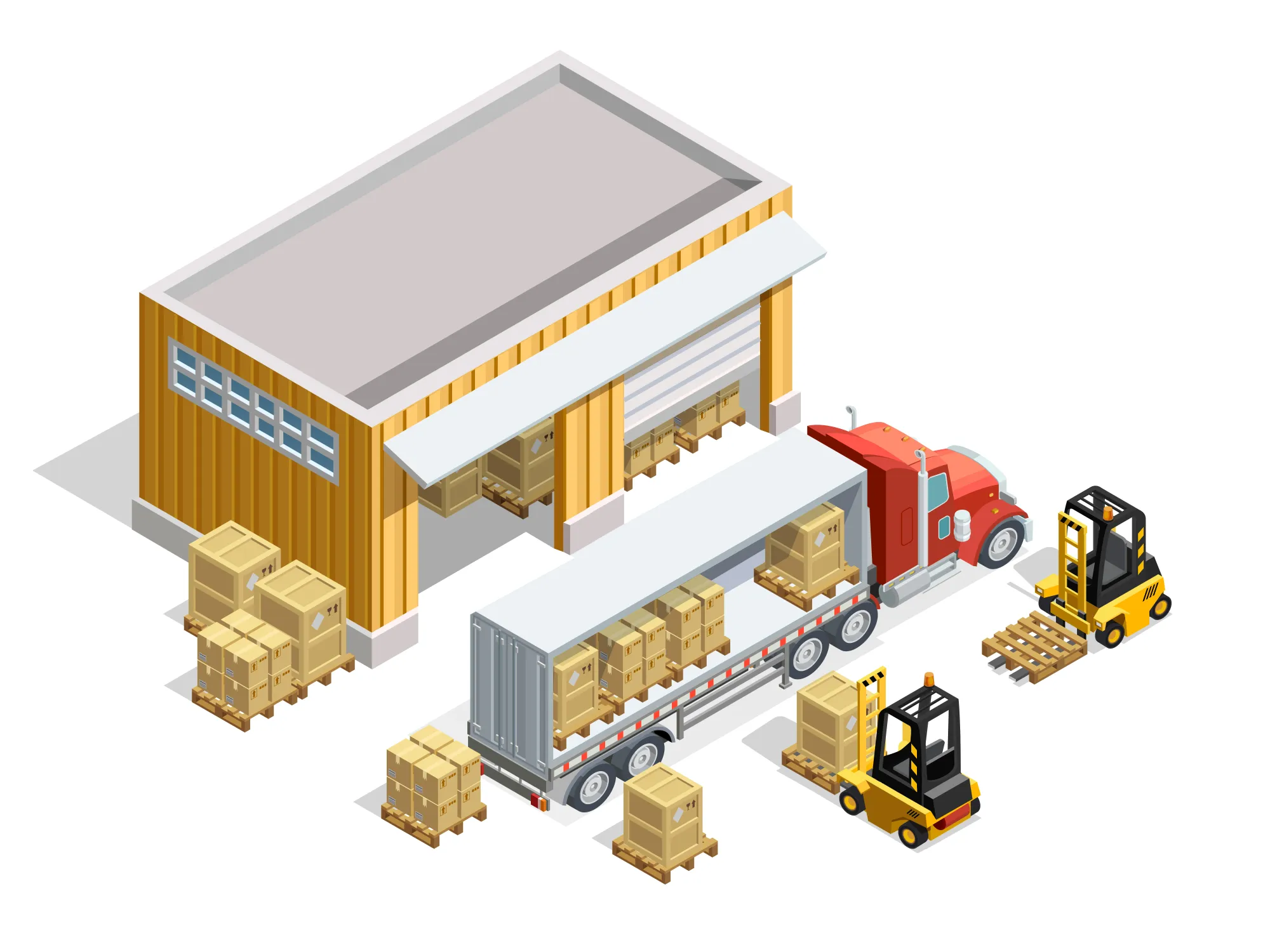
Operations & Value Addition in Warehouse
Permitted Activities Under Section 65
MOOWR 2019 allows a broad range of manufacture and other operations inside bonded warehouses, including:
- Manufacturing and assembly of products from imported or domestic inputs.
- Packing, labeling, and repackaging for retail or export.
- Quality testing, inspection, and sorting.
- Limited processing and blending (subject to customs approval for complex chemical processes).
100% Domestic Sales Allowed
Unlike export oriented schemes (EOU, SEZ), there is no export obligation under Section 65. A bonded manufacturing unit can sell its entire production into the Indian domestic market, paying duty on the embedded imported inputs at the time of DTA clearance.
Customs Procedures & Compliance
- Bill of Entry for Warehousing (Section 60): Filed at import to bring goods into the bonded warehouse without duty payment.
- Bill of Entry for Home Consumption (Section 68): Filed when goods exit the warehouse for DTA, triggering duty payment.
- Free Shipping Bill: Filed when exporting goods from the bonded warehouse, claiming duty remission.
- Prescribed transfer forms: Required for moving goods between bonded warehouses.
License Cancellation or Surrender
If a license is cancelled by customs (due to violations) or voluntarily surrendered by the licensee, all remaining warehoused goods must be:
- Cleared to DTA on payment of applicable duties, or
- Re-exported without duty payment.
The licensee must settle all outstanding dues before the license is formally revoked.
Benefits for Importers, Improved Cash Flow & Working Capital
The single biggest advantage, duty payments are deferred until goods are sold, freeing up working capital that would otherwise be locked in customs duties at import.
Comparison: Bonded vs FTWZ vs SEZ
Feature | Bonded Warehouse (Sec 58/65) | FTWZ (Free Trade Warehousing Zone) | SEZ (Special Economic Zone) |
Primary Purpose | Duty deferment for importers & manufacturers | Duty-free storage & trading for imports/exports | Export-oriented manufacturing & services |
Duty on Imports | Deferred (BCD + IGST) | Not applicable (goods in FTWZ are duty-free) | Not applicable (SEZ units import duty-free) |
Domestic Sales | Allowed (100% if desired), duty paid on clearance | Allowed, DTA buyer pays duty and GST | Allowed (with duty/DTA levy) |
Export Obligation | None | None (flexible) | Yes (typically 50-75% of revenue) |
Storage Time Limit | No limit (except pure trading) | No time limit | N/A (permanent operations) |
Permitted Activities | Manufacturing, packing, labeling, limited processing | Storage, consolidation, packing, value-added services | Manufacturing, services, trading (broad) |
Location Flexibility | Anywhere in India | Designated FTWZ zones only | Designated SEZ areas only |
Regulatory Updates & Key References
The Finance Act 2016 introduced significant reforms to bonded warehousing, including the issuance of the Customs (Private Warehouse Licensing) Regulations, 2016, which standardized the licensing process, security requirements, and compliance obligations for private bonded warehouses.
MOOWR 2019 (Notification 44/2019)
The Manufacture and Other Operations in Warehouse (No. 2) Regulations, 2019, issued via Notification No. 44/2019-Customs (N.T.) dated 19th June, 2019, completely revamped the manufacturing-in-bond framework, eliminating export obligations and enabling 100% domestic sales.
FAQs on Customs Bonded Warehousing
Frequently Asked Questions
No. Once granted, both the Section 58 warehouse license and Section 65 permission remain valid perpetually until the license is cancelled (by customs for violations) or voluntarily surrendered by the licensee.
No. Unlike EOU, EPCG, or SEZ schemes, MOOWR 2019 imposes zero export obligation. A bonded manufacturing unit can sell 100% of its production into the domestic market (DTA), paying duty on imported inputs only when finished goods are cleared for home consumption.
Yes, but it's duty deferment, not exemption. Capital goods can be imported and stored in a Section 65 bonded warehouse without paying BCD or IGST at import. Duty becomes payable only if the capital goods themselves are cleared to DTA for sale or personal use. If the capital goods are used in manufacturing and the finished products are exported, or if the capital goods are exported after use, no duty is ever paid.
No. Under MOOWR 2019, there is no physical control or day-to-day presence of Customs officers in Section 65 bonded warehouses. Units operate on a self-compliance model and are subject to risk-based audits at intervals decided by customs authorities.
Yes, existing factories can apply. Any existing manufacturing unit in the Domestic Tariff Area (DTA) is eligible to obtain Section 58 and Section 65 licenses and convert to bonded operations. Existing capital goods and domestic inputs must be accounted for in the prescribed accounting format, with a remarks column for clarity.
You can voluntarily surrender your license by submitting a written request to the Principal Commissioner or Commissioner of Customs. Before the license is revoked, you must:
- Clear all remaining warehoused goods either by paying duty for DTA clearance or by re-exporting them duty-free.
- Settle all outstanding dues with customs.
Once these conditions are met, the license will be formally cancelled.