Alibaba vs Global Sources vs Trade Shows: Where Should Indian Importers Really Source Products?
Confused between Alibaba, Global Sources and trade shows? Learn when each makes sense for Indian importers, from first trials to serious factory.
Listen to article
Audio version (0% complete)
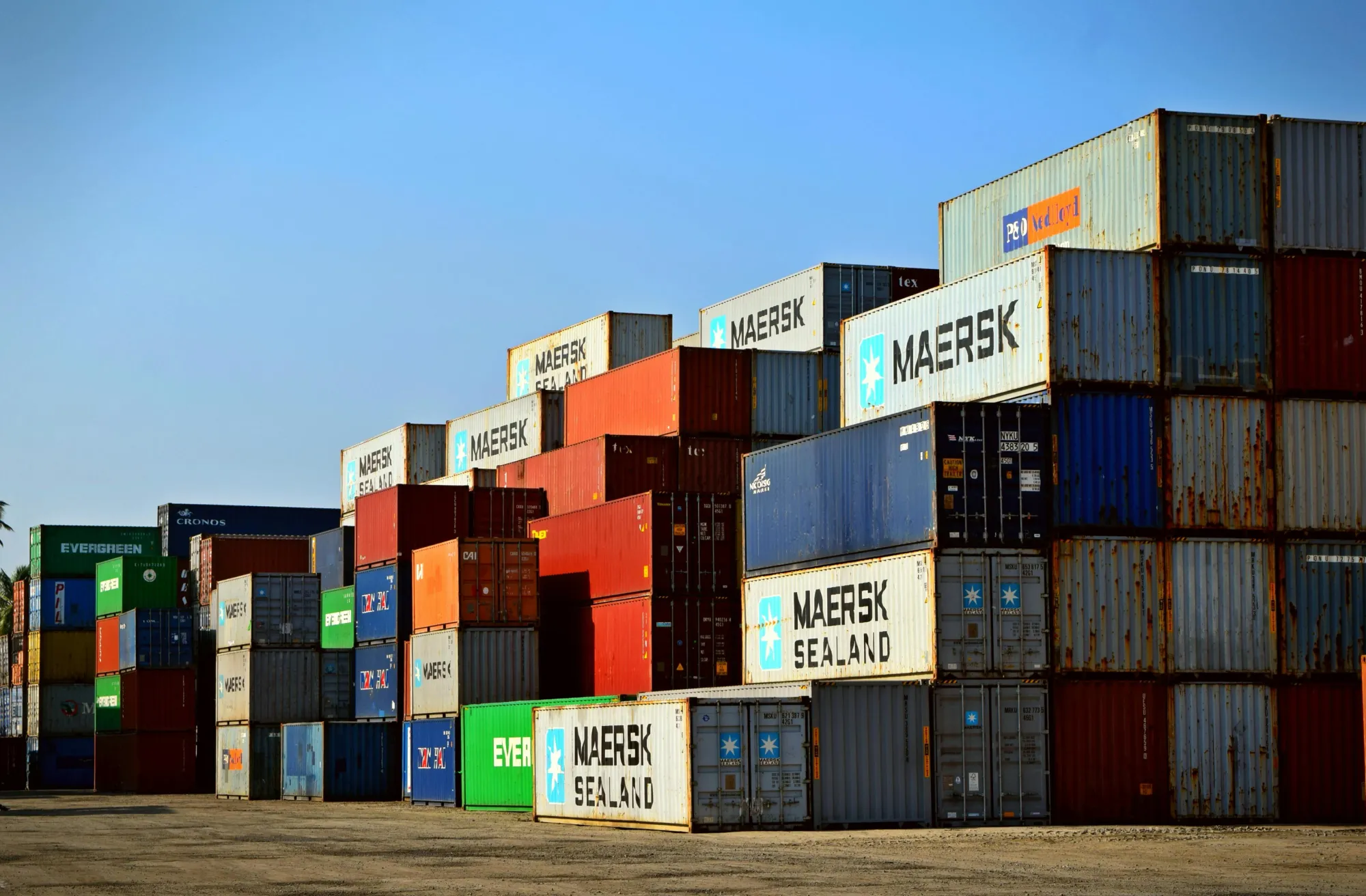
If you’re an Indian importer, your sourcing journey probably started on Alibaba. Then you heard about Global Sources. Then you saw people on YouTube vlogging from Canton Fair and Global Sources Hong Kong and now you’re wondering:
“Do I really need to fly to China, or can I build a serious import business sitting in India with just a laptop?”
This article doesn't just explain what Alibaba or Global Sources are. It shows when Alibaba is enough, when Global Sources makes more sense, and when it's finally worth spending on trade shows for an Indian importer. Before you pick a channel, its better to know which product categories India imports most from China, this shapes where the best suppliers actually are.
Three Ways Importers Source Products Today
- Alibaba
The largest all‑category B2B marketplace with millions of products and suppliers, across everything from machinery to fashion. Flexible MOQs on many listings, big variety, but verification quality is mixed, you still have to do your own due diligence. - Global Sources
Originally a B2B media and trade‑fair company that later built an online sourcing platform. Particularly strong in electronics, mobile accessories, hardware and export‑ready consumer products, with a more curated supplier base. - Trade shows (Canton Fair, Global Sources Hong Kong, HKTDC, etc.)
Large physical fairs where you meet suppliers face‑to‑face, inspect samples, compare 10–20 factories in a day, and negotiate directly with decision‑makers.
Alibaba for Indian Importers: When It Works, When It Bites
Alibaba is usually the first stop for Indian importers because:
- It has the largest supplier pool and widest range of categories.
- You can start with low‑to‑medium MOQs on many products.
- Tools like RFQ and filters make it easy to explore multiple ideas quickly.
- Trade Assurance adds a basic layer of payment and shipment protection, acting like escrow and releasing funds only when shipment and quality conditions are met.
Where Alibaba Bites Indian Importers
- Verification is not absolute - “Gold Supplier” or paid badges mainly show that the supplier pays Alibaba, they do not guarantee deep quality control. You still need factory audits, references, sample checks and contract discipline.
- High presence of traders/middlemen - Many listings are trading companies, not factories. That’s not always bad, but it impacts price, control and communication.
- MOQs, data and prices can be misleading - Displayed MOQs and prices are often marketing numbers. Actual deals change once you talk seriously, especially for customisations.
For Indian importers, this often shows up as:
- Samples looking great, bulk shipment quality dropping.
- Repeated back‑and‑forth on final price and MOQs.
- Surprise changes in lead times once orders are confirmed.
Alibaba Is Ideal When:
- You are a beginner, testing 2–3 products with limited capital.
- You want to validate demand and margins before committing to big volumes or trade show trips.
- You’re exploring many product ideas quickly – for example, picking 5–10 potential winners in fashion accessories, home decor, or small electronics.
In your workflow, Alibaba should typically cover:
Shortlist >> request samples >> negotiate >> place trial order >> ship with a reliable forwarder >> learn from the first 2–3 shipments.
Global Sources: Fewer Suppliers, Higher Signal
Global Sources started as a trade‑fair and B2B media company and then moved into online sourcing.
It now runs major trade shows in Hong Kong (Global Sources Electronics, Lifestyle, Mobile Electronics, etc.) and an online platform with a strong electronics and hardware focus.
In simple terms:
Alibaba = massive, horizontal marketplace.
Global Sources = smaller, more curated, electronics/tech‑heavy ecosystem.
Pros for Indian Importers
- More export‑ready OEM/ODM manufacturers – companies used to dealing with global buyers and documentation.
- Suppliers that pass stricter screening and documentation checks, especially for trade shows.
- A higher share of electronics, mobile accessories, components, hardware and lifestyle brands targeting US/EU markets.
Cons and When It’s Not Ideal
- Typical MOQs are higher than what you see on Alibaba.
- Pricing can be slightly higher too, because most suppliers are structured as export manufacturers, not flexible small order traders.
- For someone doing their very first trial order, it can feel heavy.
When Global Sources Is Ideal
Global Sources is a good fit when:
- You are already importing, know your product specs, and want to consolidate down to fewer, better factories.
- You’re focused on electronics, hardware or export‑grade consumer products, where certifications and longevity matter more than the absolute lowest starting price.
- You are thinking in terms of 3–5 year supplier relationships, not just one‑off opportunistic buys.
Trade Shows: When It Pays to Get on a Flight
Despite all the online tools, serious buyers still fly to Canton Fair, Global Sources Hong Kong, HKTDC and other regional shows.
Because in 3–5 days, you can:
- See and touch hundreds of products across multiple halls.
- Compare materials and finish from 10+ factories side by side.
- Talk directly to owners / senior sales managers, not just junior export staff.
- Often negotiate better long‑term pricing, MOQs and payment terms once they see you are serious.
You also discover:
- Factories that are not very visible online.
- Early designs and trends that haven’t reached marketplaces yet.
Quick Comparison Table: Alibaba vs Global Sources vs Trade Shows
Dimension | Alibaba | Global Sources (online + shows) | Trade Shows (Canton, GS HK, HKTDC) |
Best for | Fast product discovery, testing ideas, small trial orders | Fewer, more serious factories, electronics/hardware; export‑grade consumer goods | Mature importers validating factories, expanding ranges, or consolidating suppliers |
Typical MOQs | Often low/negotiable on listings, many small trial options | Medium to high; suppliers expect export‑grade orders | Usually medium‑high, factories quote serious MOQs but can discuss roadmaps |
Supplier verification level | Mixed, badges + Trade Assurance but requires heavy due diligence | More curated, many suppliers also exhibit at major Hong Kong shows | Highest trust potential, meet people, see samples; still need post‑fair factory checks |
Upfront cost for buyer | Low (mainly samples + time) | Low‑medium (samples, sometimes higher MOQs) | High (travel, stay, time) |
Ideal buyer profile | Beginner and early‑stage importer validating 2–3 products | Growing importer wanting stability, compliance and better factories | Established importer planning long‑term volumes and multi‑product sourcing trips |
FAQs
Frequently Asked Questions
Several Chinese apps were banned in India, but Alibaba as a website/marketplace is still accessible, and many Indian businesses continue to source via suppliers found there.
Global Sources tends to have a more curated, export‑ready base (especially in electronics) and backs this with major Hong Kong trade shows, which gives some extra credibility. But you still need contracts, samples, inspections and payment discipline just as you would with Alibaba.
Consider a trade show when:
- You already have stable monthly imports from China.
- You want to consolidate suppliers or add multiple product lines at once.
- Your product is complex/high‑value, and you feel blind trusting photos and PDFs.
For very small orders, you can get by without an agent if you’re disciplined about due diligence, contracts and inspections. Once volumes grow, an on‑ground sourcing agent or third‑party QC in China can save you far more than they cost.