Complete Guide to Container Tracking and Container Types 2026
Complete container tracking guide: Track OOLC, MSC, CMA CGM, Maersk, ONE Line containers step-by-step, understand statuses, and container types.
Listen to article
Audio version (0% complete)
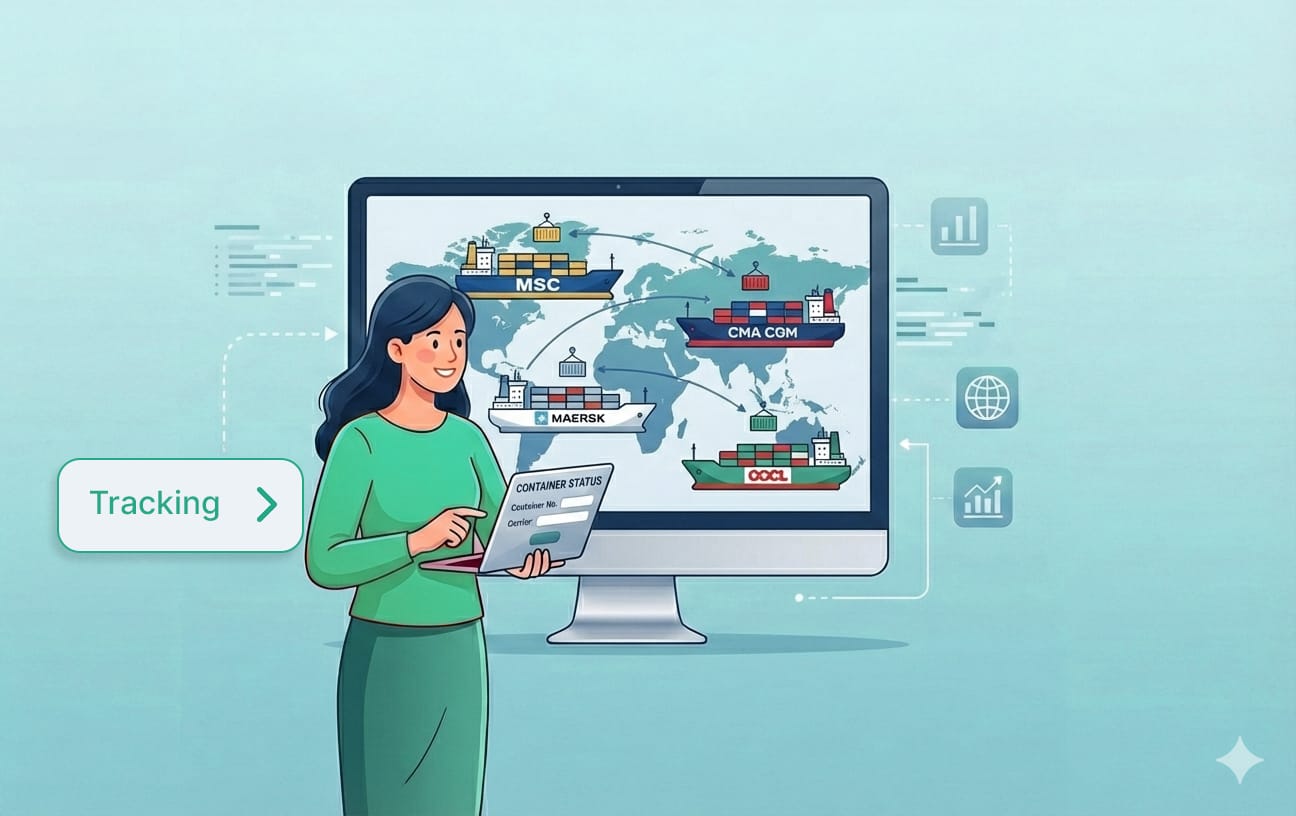
Container tracking is the real-time monitoring system that shows the exact location, status, and movement of your shipping containers throughout their journey from port of origin to port of discharge. Whether you're using MSC container tracking, CMA CGM container tracking, Maersk container tracking, or OOCL container tracking, these systems provide live updates on where your goods are, when they will arrive, and if there is any delays or issues occurring.
Container tracking systems work by combining carrier data, port information, GPS technology, and customs databases to give importers and exporters complete visibility into their shipments. Understanding how to track your shipping container on these major shipping lines is essential because it helps you manage customs clearance, coordinate logistics operations, claim export incentives on time, and maintain buyer relationships with accurate delivery estimates. On import side, container tracking works hand in hand with customs data, once the vessel reaches India, cross-check the Sea IGM filing on ICEGATE to confirm the line has manifested your container. Sea IGM is mandatory for BOE filing and customs clearance of import shipments.
What Is Container Tracking?
Container tracking is a digital system that monitors the location and status of shipping containers as they move through the international supply chain. It is like a GPS tracker for your cargo—it tells you where your container is at every moment, what stage it is in, and when it will arrive.
Shipping Container Types
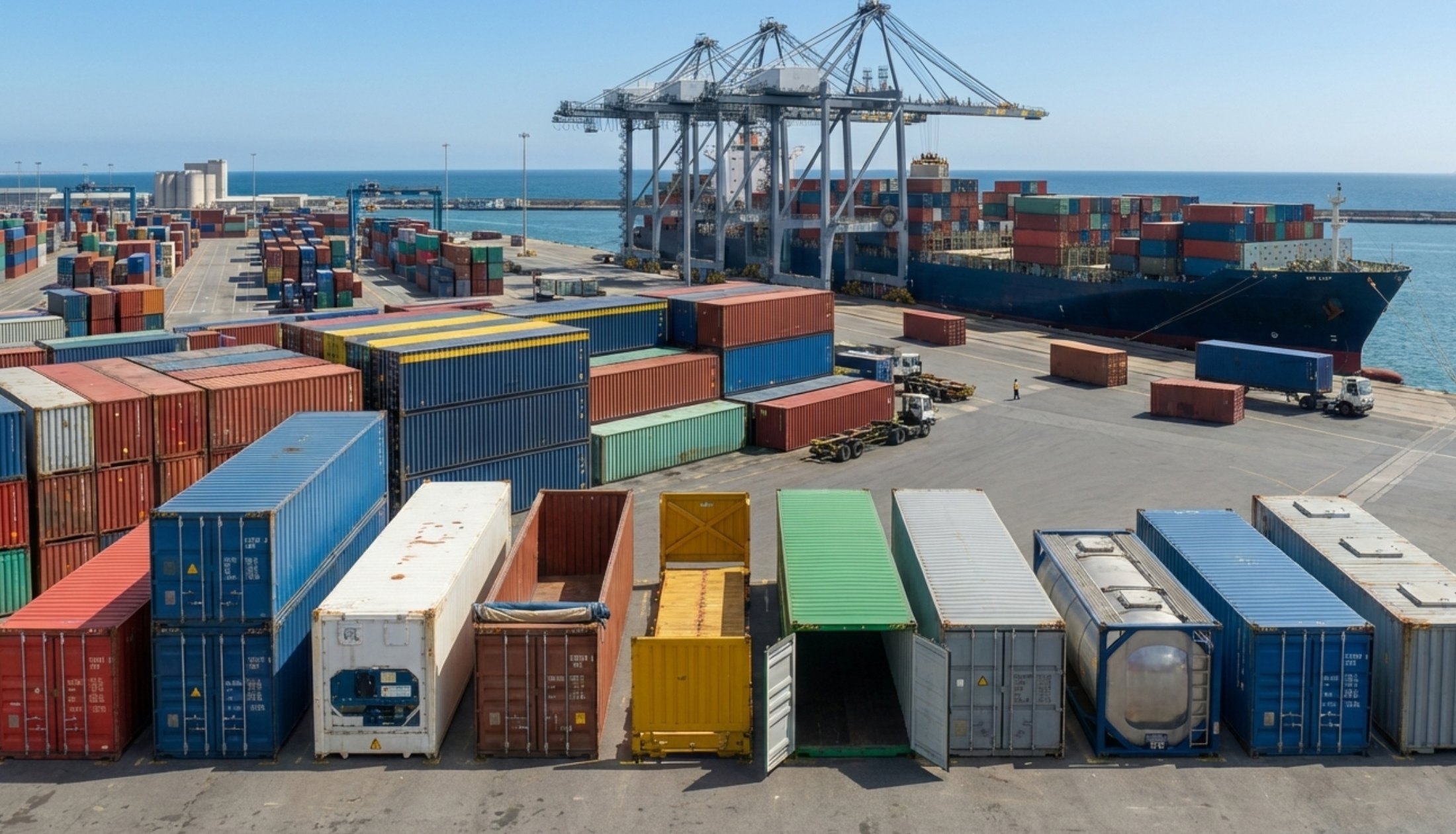
A shipping container is a standardized metal box (typically 20 feet or 40 feet long) that holds your goods. There are 10+ types of shipping containers used in international and domestic trade. The most common are:
- Dry Container (General Purpose)
- High Cube Container (40ft HC)
- Reefer Container (Refrigerated)
- Open Top Container
- Flat Rack Container
- Open Side Container
- Ventilated Container
- Tank Container
- Hard Top Container
- Bulk Container
Most containers come in two standard sizes:
- 20-foot container (20ft)
- 40-foot container (40ft)
DRY CONTAINER (General Purpose Container)
The most commonly used shipping container. Below are the specifications:
Specification | 20ft Container | 40ft Container |
External Length | 6.06m (19.86ft) | 12.19m (40ft) |
External Width | 2.44m (8ft) | 2.44m (8ft) |
External Height | 2.44m (8ft) | 2.59m (8.5ft) |
Volume Capacity | 33.2 CBM | 67.7 CBM |
Tare Weight (empty) | 2,200 kg | 3,800 kg |
Max Payload | 28,000 kg | 28,000 kg |
Max Gross Weight | 30,200 kg | 31,800 kg |
Why Container Tracking Matters for Your Business
1. Know When Goods Arrive (Manage Buyer Expectations)
2. Coordinate Customs Clearance On Time
3. Identify and Address Issues Early
4. Manage Demurrage & Port Charges
Port demurrage charges: ₹500-2,000+ per day if container sits at port too long
Example: Container delayed 10 days = ₹5,000-20,000 extra cost
With tracking, you know exactly when to collect the container, avoiding unnecessary charges.
5. Maintain Supply Chain Visibility
6. Security & Loss Prevention
7. Data-Driven Logistics Decisions
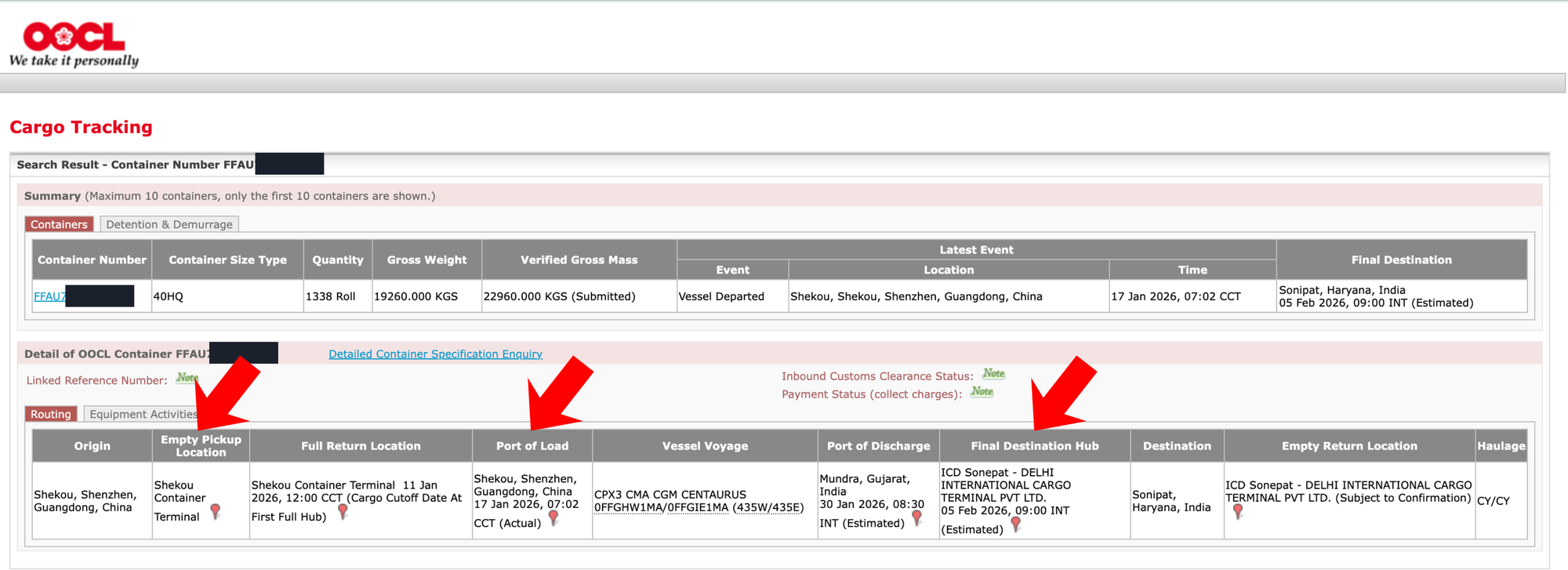
How to Track OOCL Container: Step-by-Step
Visit: https://www.oocl.com
Navigate: Click "Tracking"
Prepare Info: Have ONE of these:
- Container number (OOLU1234567)
- Bill of Lading number
- Booking reference
Search: Select tracking type → Enter number → Click "Track"
View Status: See current location, ETA, vessel name
Understand Timeline: Check movement history
How to Check Container Tracking Status for MSC, CMA CGM, Maersk etc. (Universal Steps)
Step 1: Get Your Tracking Information
Step 2: Visit Shipping Line Website
Step 3: Enter Tracking Number
Step 4: Click Search/Track
Step 5: Read Status Carefully
Step 6: Note Key Dates
Write down:
- Estimated Arrival Date (ETA at India for imports, ETA at destination for exports)
- Latest Event Date (when last action occurred)
- Current Location
FAQ: Container Tracking Questions
Q: How often does container tracking update?
A: Updates vary: Average: 1-2 times per day
Q: Is container tracking accurate?
A: Accuracy varies:
- 90%+ accurate for vessel location (AIS satellite data)
- 80%+ accurate for ETAs (influenced by weather, congestion)
Q: How accurate is ETA?
A: ETAs have wide margin of error:
- 1-3 days early to late: Fairly accurate (80% within this range)
- 3-7 days late: Common for delayed vessels (weather, congestion)
- 7+ days late: Rare (major disruptions like canal blockages)
Q: What's difference between container number and Bill of Lading?
A: Different identifiers:
- Container Number: Unique ID of physical container (MSCU1234567)
- Bill of Lading: Shipping document number (123456789)
- One shipment can have 1-10 containers on same BL
- Track by container number to see ONE container
- Track by BL number to see ALL containers on that shipment
Q: What if container is lost or stolen?
A: Rare but happens:
- Tracking will show last known location
- Shipping line investigates
- You file insurance claim
- Tracking data serves as evidence
- Usually takes 30-60 days to resolve