E‑Waste EPR for Electronics Importers in India (2026): Compliance Guide for Importers and Foreign Brands
Learn how EPR works for electronics imports under the E‑Waste Management Rules 2022. Understand CPCB E‑waste registration, producer obligations.
Listen to article
Audio version (0% complete)
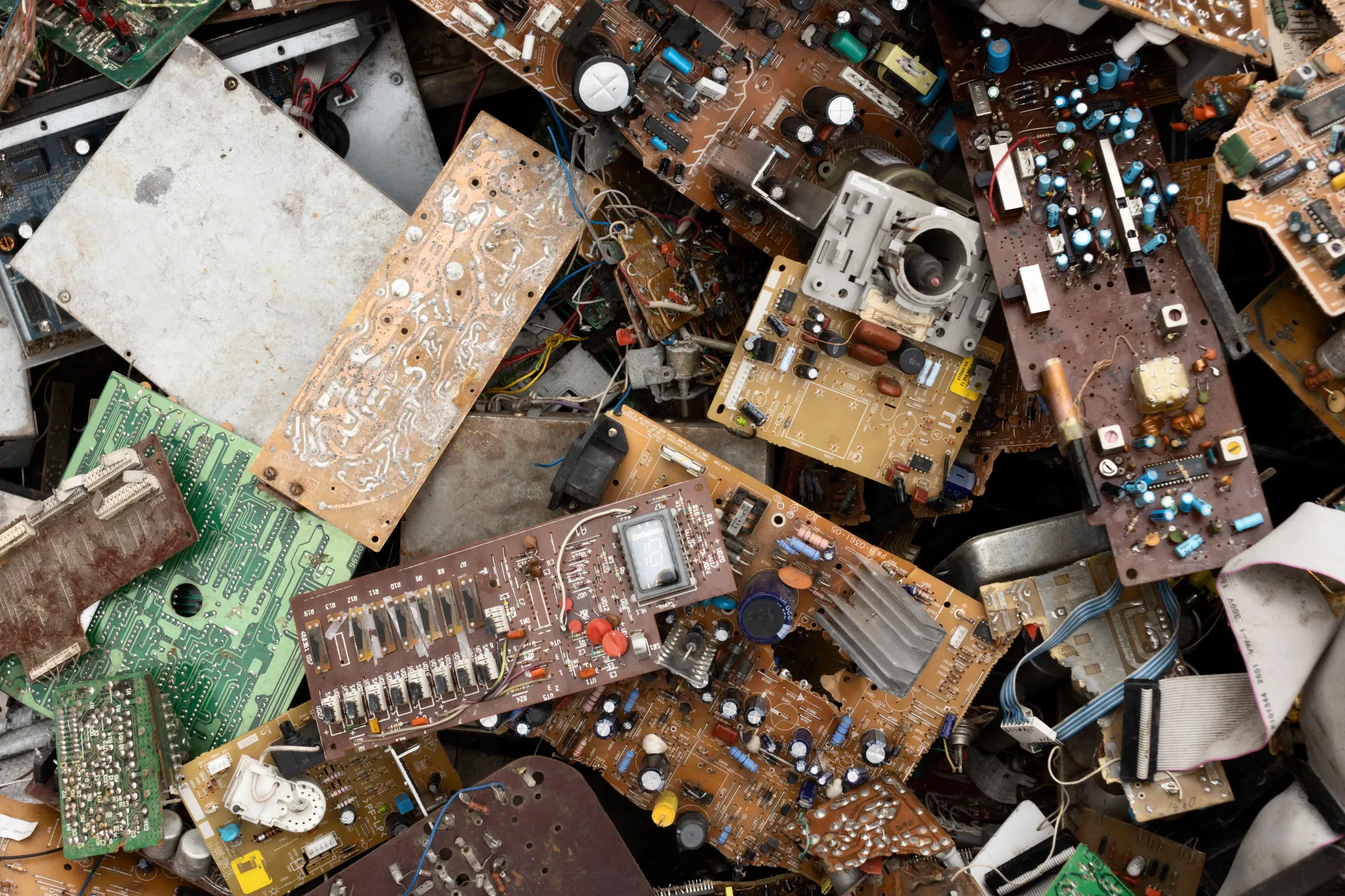
India has become one of the world’s largest generators of electronic waste, with annual e‑waste volumes running into several million tonnes and growing sharply as device adoption soars. For electronics importers and foreign brands, this surge has translated into a new core compliance requirement: Extended Producer Responsibility (EPR) under the E‑Waste (Management) Rules 2022, now tightly integrated with customs clearance and CPCB’s online E‑waste EPR portal.
What is e‑waste and Extended Producer Responsibility (EPR)
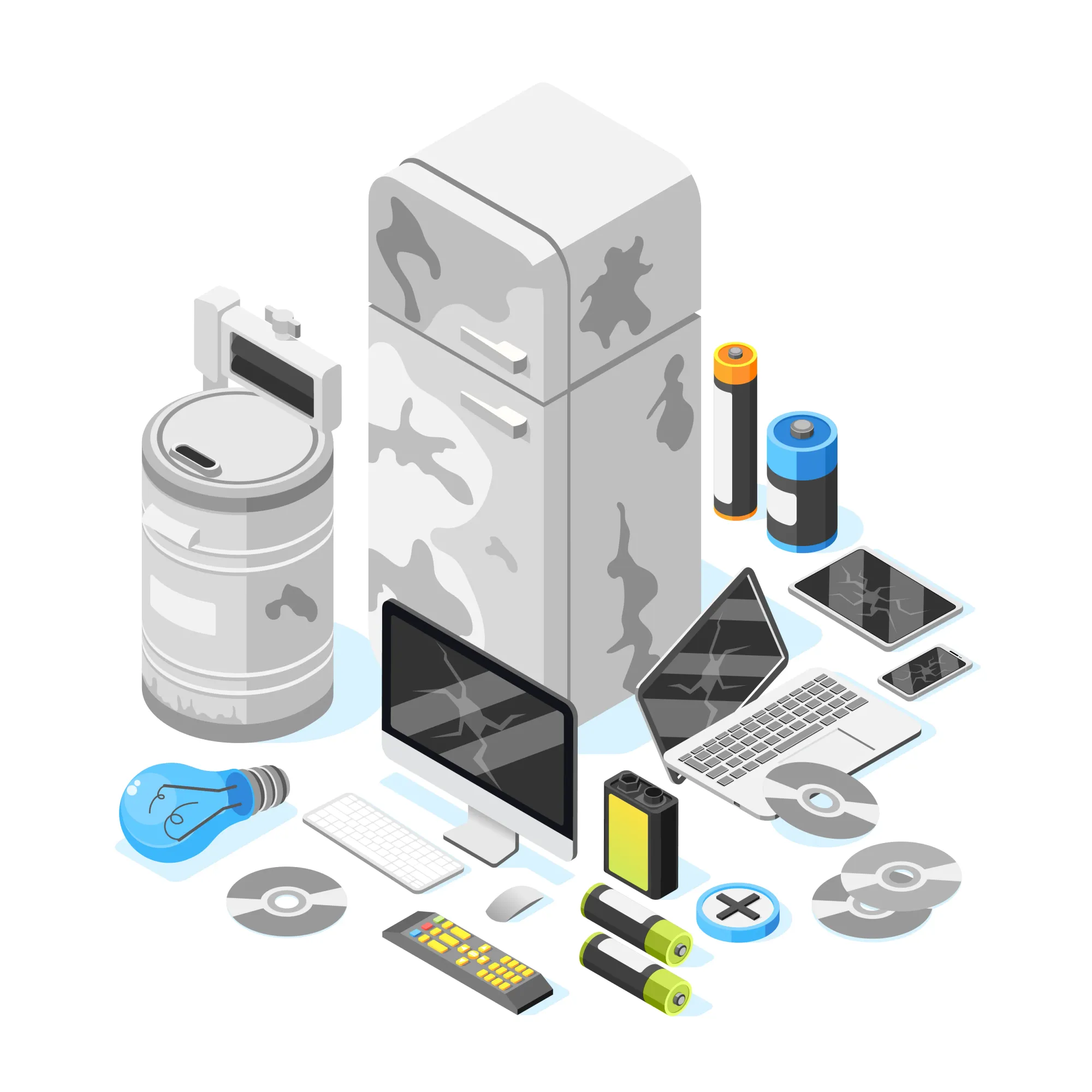
E‑waste refers to discarded electrical and electronic equipment and their components, such as old laptops, mobile phones, chargers, TVs, printers, routers, and small appliances, once they reach end of life or are no longer intended for use. These products often contain valuable metals but also hazardous substances like lead, mercury and cadmium, which can harm health and the environment if dumped or informally recycled.
Under the E‑Waste (Management) Rules 2022, Extended Producer Responsibility is defined as the obligation of producers of EEE listed in Schedule I to meet notified recycling targets only through registered recyclers, ensuring environmentally sound management of the resulting waste. In practice, this means producers and importers must arrange collection and channelisation of end‑of‑life products, purchase EPR certificates issued by authorised recyclers, and report compliance on the CPCB portal each year.
The policy explicitly shifts the burden of managing e‑waste from municipalities and consumers to businesses that place products on the Indian market, including importers and foreign brands, aligning India with global EPR trends.
Who counts as a “producer” and where importers fit in
The E‑Waste Rules define a “producer” as any person or entity that manufactures and offers to sell EEE under its own brand, offers to sell assembled EEE under its brand, or offers to sell imported EEE and their parts or consumables or spares, regardless of selling technique (dealer, retailer, e‑retailer, etc.). Official customs guidance further clarifies that importers are explicitly covered as one of the categories of producers under section 3(1)(t)(iii) of the Rules.
In practical terms, an Indian importer that brings Schedule‑I electronics, such as IT and telecom equipment, consumer electronics, small appliances, tools, toys, and certain medical devices into India for sale is treated as a producer and must obtain EPR registration on the CPCB E‑waste portal. This applies whether the importer sells via distributors, own website, quick‑commerce platforms, or large marketplaces.
CPCB has also clarified situations where registration as a producer on the E‑waste portal is not required, such as when importers bring in EEE not listed in Schedule I, or import Schedule‑I EEE solely to sell to producers already registered on the E‑waste EPR portal. For consumers or bulk consumers importing EEE for self or captive use, the requirement is to file a self‑declaration with customs and CPCB confirming that the items are for own use and not for sale, instead of taking producer registration.
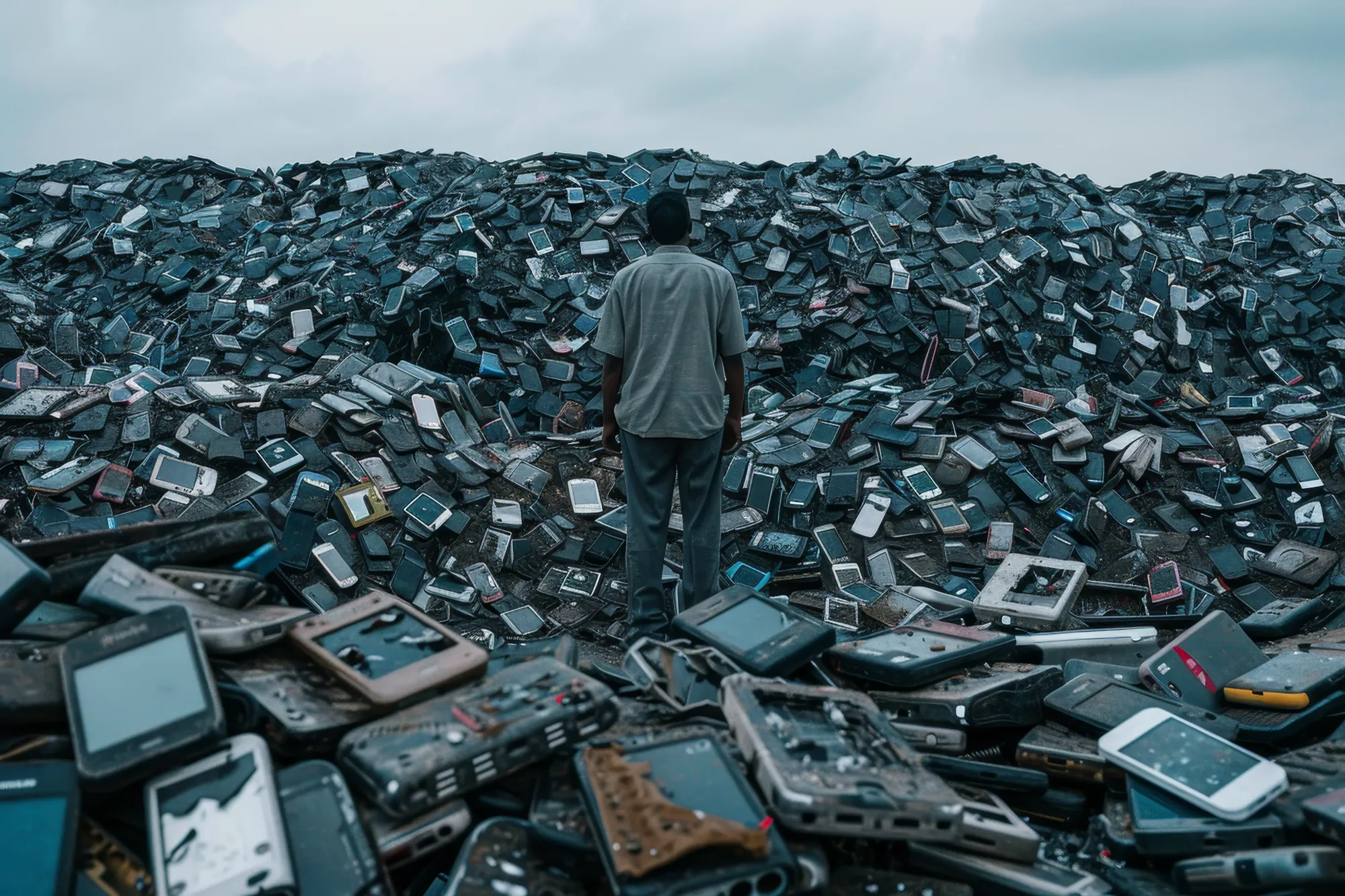
The EPR compliance stack for a typical electronics importer
Electronics importers in 2026 often sit at the intersection of multiple waste‑related EPR regimes, each anchored on the CPCB EPR portal ecosystem.
The three most common for gadget‑led cross‑border trade are:
- E‑waste EPR for electrical and electronic equipment (EEE) listed in Schedule I of the E‑Waste Rules 2022.
- Plastic packaging EPR for product and shipping packaging, governed by the Plastic Waste Management Rules and implemented through the CPCB plastic EPR portal.
- Battery EPR for lithium‑ion and other batteries placed on the market, governed by the Battery Waste Management Rules 2022.
These obligations sit alongside pre‑existing import compliance items such as BIS certification, WPC approvals for wireless modules, and other standards already discussed in EximPe’s “personal import vs commercial import in India” blog.
E‑waste vs plastic vs battery EPR
Aspect | E‑waste EPR | Plastic packaging EPR | Battery EPR |
Covered products | Schedule‑I electrical and electronic equipment and their operational parts and spares | Plastic packaging used for products and shipping, including imported packaged goods | Portable, automotive and industrial batteries, including lithium‑ion cells and packs in devices |
Main regulator/portal | CPCB E‑waste EPR portal (eprewastecpcb.in) | CPCB plastic EPR portal for PIBOs | CPCB battery EPR portal under Battery Waste Management Rules 2022 |
Key obligations for importers | Register as producer, obtain EPR targets, tie up with authorised recyclers, purchase and reconcile EPR certificates, file returns | Register as Producer/Importer/Brand Owner (PIBO), declare packaging used, meet recycling obligations through registered plastic waste processors, report annually | Register as producer/importer, declare battery sales, ensure collection and recycling via registered battery recyclers, meet recovery targets |
When it typically triggers | Import and sale of Schedule‑I electronics (finished goods or covered components) in India | Import of packaged goods into India or use of plastic packaging in domestic distribution | Import and sale of batteries or battery‑containing products in India |
Step‑by‑step: Getting E‑waste EPR registration on the CPCB portal
While the exact interface of the CPCB E‑waste EPR portal may evolve, the broad registration workflow for importers has settled into a predictable sequence.
Step 1: Check if your products fall under Schedule I
Importers must first map their HS codes and product catalogues against the 106 categories of EEE listed in Schedule I of the E‑Waste Rules 2022, which cover IT and telecom equipment, consumer electronics, large and small appliances, tools, toys, and more. If a product or key component is listed, EPR registration as a producer is typically required unless it is being imported solely for sale to an already‑registered producer.
Step 2: Register on the CPCB E‑waste EPR portal
Eligible producers and importers must create an account on the CPCB E‑waste EPR portal by providing entity details, authorised signatory information, and basic business identifiers such as IEC, PAN and GST. Once registered, applicants can access online forms for EPR registration, upload documents, and later file returns and manage EPR certificates.
Step 3: Prepare and upload documents
Typical document requirements for E‑waste EPR registration include incorporation documents, IEC, PAN, GST registration, past import or sales data, product descriptions aligned to Schedule‑I codes, RoHS compliance declarations, and agreements or letters of intent with authorised recyclers or Producer Responsibility Organisations (where still used in specific contexts). Applicants must also submit an EPR plan or action plan outlining how they will meet recycling targets through registered recyclers.
Step 4: Submit application and respond to clarifications
After submitting the online application and uploading documents, CPCB scrutinises the information and may raise queries or seek clarifications if there are inconsistencies or missing details. Common issues include mismatches between declared imports and proposed recycling quantities, generic or copy‑paste EPR plans, and the absence of valid contracts with recyclers.
Step 5: Wait for EPR authorisation (30–120 days typical range)
Industry experience and consultancy guidance indicate that CPCB approvals for EPR registration usually take between about 30 and 90 days for straightforward applications and can extend up to 120 days in complex or incomplete cases, though timelines are not guaranteed in the Rules. Once approved, CPCB issues a producer registration certificate and assigns annual EPR recycling obligations, which the importer must then fulfil via registered recyclers and EPR certificate purchases.
EPR, customs clearance and landed cost for importers
The Ministry of Environment and CBIC have explicitly directed port and customs authorities to verify imports and exports with respect to E‑waste EPR and to take action in case of violations, making EPR a live checkpoint in customs processes. CPCB has also issued communications linking release of certain EEE consignments to submission of an online EPR registration certificate or an undertaking to furnish the certificate by a specified date.
For importers, this means customs officers can ask for proof of E‑waste EPR registration or a formal declaration before allowing clearance of sensitive electronics consignments, especially where Schedule‑I items are involved. Failure to comply can lead to holds, requirement of undertakings, or escalation under the Customs Act and Indian Ports Act.

Compliance checklist for electronics importers
The following high‑level checklist helps an importer or foreign brand quickly gauge its E‑waste EPR preparedness:
- Have you mapped your product HS codes to the 106 EEE categories in Schedule I of the E‑Waste Rules 2022?
- Do you qualify as a producer because you offer to sell imported EEE in India under your own or another brand?
- Are you registered as a producer/importer on the CPCB E‑waste EPR portal and holding a valid registration certificate?
- Have you analysed whether plastic packaging or battery EPR also applies to your imports and completed those registrations if needed?
- Have you executed contracts with authorised recyclers and/or PROs and documented responsibilities and EPR fee structures?
- Have you built EPR certificate costs into landed cost, pricing, and contracts with distributors, marketplaces and B2B customers?
- Do your customs brokers and logistics partners know your EPR status and have instructions on what to present at the port when customs ask for EPR evidence?
FAQs
Frequently Asked Questions
E‑waste EPR registration is mandatory for entities that qualify as producers under the E‑Waste (Management) Rules 2022 and place Schedule‑I EEE on the Indian market, which includes importers offering to sell imported EEE and their components. Imports of non‑Schedule‑I items or imports solely for onward sale to already‑registered producers may be exempt from producer registration, subject to documentation requirements at customs.
Where EEE is imported by consumers or bulk consumers purely for self or captive use and not for sale, CPCB has allowed a self‑declaration route instead of producer‑level registration on the E‑waste EPR portal. The importer must provide a written declaration on its letterhead to customs and submit a copy to CPCB confirming that the items are for own use.
Customs instructions emphasise that port authorities must verify imports against EPR compliance, and CPCB has linked release of certain consignments to production of an EPR registration certificate or a time‑bound undertaking. Importing Schedule‑I electronics at scale without an approved EPR registration therefore carries a high risk of delays, undertakings and potential enforcement, so importers are strongly advised to secure EPR registration in advance.
The producer definition focuses on the entity that offers to sell EEE in India, including the one that offers to sell imported EEE, so liability can fall on the brand owner, the importer, or both depending on how the arrangement is structured. In many marketplace models, the Indian importer of record or an Indian subsidiary takes producer registration and manages EPR, but foreign brands should ensure contracts clearly allocate responsibility and that at least one entity in the chain is registered for the relevant EPR obligations.
Under the 2022 Rules, producers’ EPR recycling targets are set as a percentage of the quantity of EEE placed on the market in previous years, with current targets ramping from 60 percent to 70 percent and then 80 percent over defined periods. Importers must therefore maintain accurate records of annual imports and domestic sales and use these as the basis for their annual recycling obligations on the CPCB portal.