Demurrage, Detention & Ground Rent: Meaning, Charges & How to Reduce Them
Learn demurrage, detention and ground rent meaning in shipping, typical charges in India, and practical ways importers can avoid these costs
Listen to article
Audio version (0% complete)
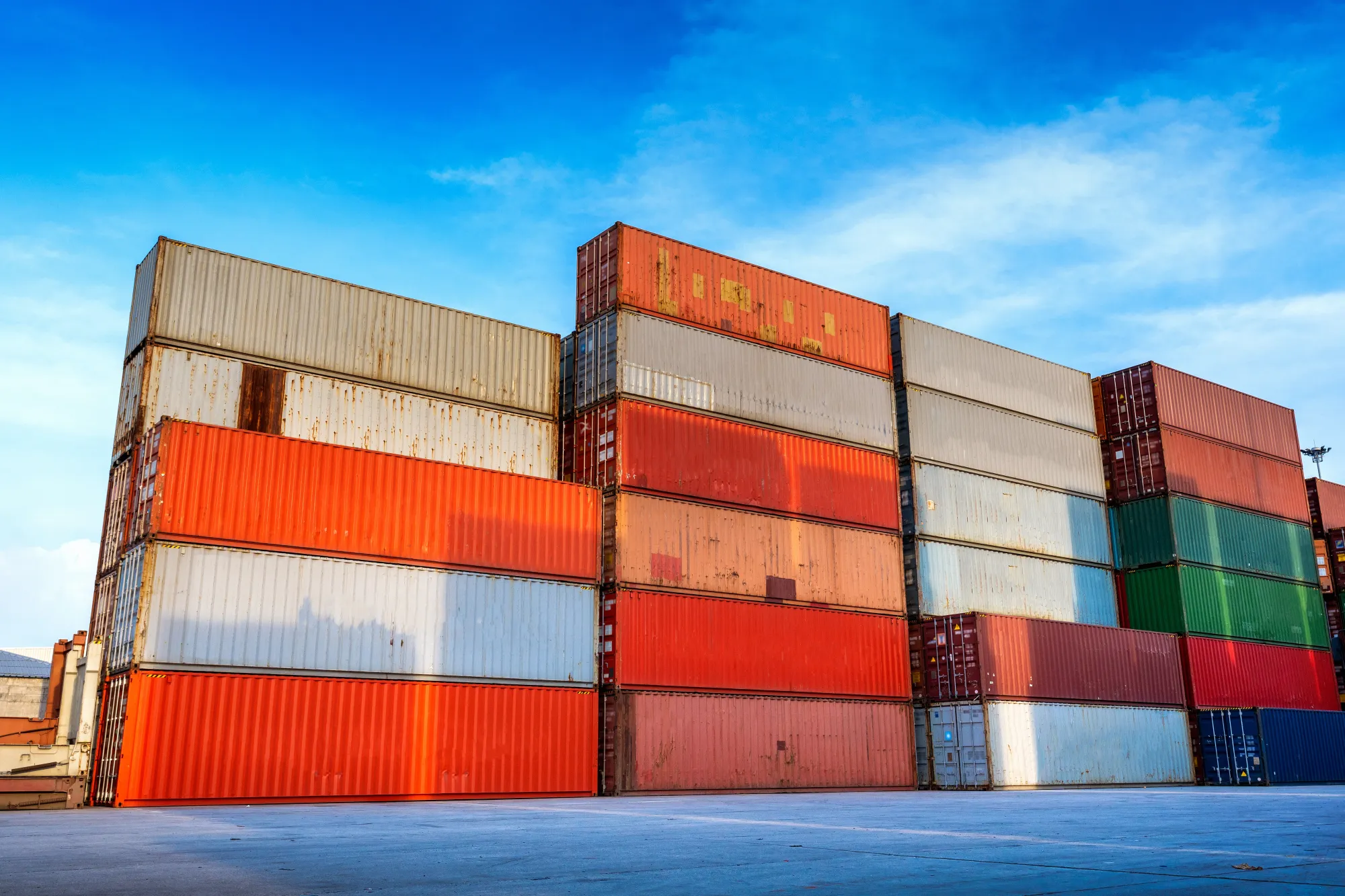
Unexpected demurrage, detention and ground rent can turn a profitable import into a loss‑making deal for Indian SMEs. These charges usually hit late in the cycle, after cargo has already arrived, when you have the least room to react.
Because they are slab‑wise and daily, demurrage and ground rent at ports/CFS/ICDs, plus container detention with the shipping line, can quickly erode margins and cause major cash‑flow shocks.
What Is Detention? (Detention Charges in Shipping)
Detention charges in shipping apply when you keep the shipping line’s container outside the port (at your factory, warehouse or CFS) beyond the allowed free time before returning the empty box.
Think of it as renting the shipping line’s container and not returning it on time, detention is sometimes also called per diem charges in shipping.
For import containers, the clock for detention usually starts when the full box is gated out from the terminal and stops when the empty container is returned to the line’s depot.
Example:Your container is gated out from Mundra to your Bhiwandi warehouse. You take 10 days to destuff and another 5 days to return the empty to the depot, while the line gave you only 7 container free days. You end up paying container detention fees for 8 extra days.
What Is Ground Rent / Storage / Quay Rent/ Demurrage
From an Indian importer’s perspective, demurrage charges are storage‑type fees charged when your cargo or container stays inside port, terminal, CFS or ICD premises beyond the free period.
Indian port tariff schedules explicitly define demurrage as “charges payable for storage of cargo within port premises beyond free period”, which is essentially what many importers informally call ground rent or quay rent.
In simple terms, demurrage is daily storage charges for cargo/containers inside the custodian’s premises (port, terminal, CFS, ICD) after free time is over.
Ground Rent/ Demurrage vs Detention
At‑a‑glance comparison
Charge type | Who charges it | What it covers | Where it applies | When it starts |
Demurrage / Ground rent / Quay rent | Port trust, terminal, CFS/ICD (custodian) | Storage of cargo/containers beyond free period | Inside port/CFS/ICD premises | After free storage days expire as per tariff |
Detention | Shipping line / NVOCC | Use of container equipment beyond free days | Outside port (factory, warehouse, CFS/ICD, on road) | After container free days outside terminal expire |
Ground Rent/ Demurrage vs detention is essentially inside terminal vs outside terminal time on the same container. Demurrage covers the period after discharge until pickup, detention covers the period after gate‑out until empty return.
Who Charges These Fees and How Free Time Works
Port terminal set demurrage and Shipping lines set detention tariffs and decide how many container free days you get at the terminal and outside it.
Terminals, ports, CFS and ICDs set ground rent / port storage charges, usually on a slab basis (e.g., day 1–7, 8–14, 15–21, 22+), with rates rising the longer you occupy space.
In practice for Indian imports:
- Demurrage and detention in shipping are often clubbed together in contracts as demurrage and detention charges, but they are billed separately.
- Indian importers typically get 3–7 free days at the terminal and a similar or slightly higher number of free days for detention, depending on the line, port and contract.
- After free time, both demurrage and detention are charged per container, per day, and rates may escalate after a certain number of days.
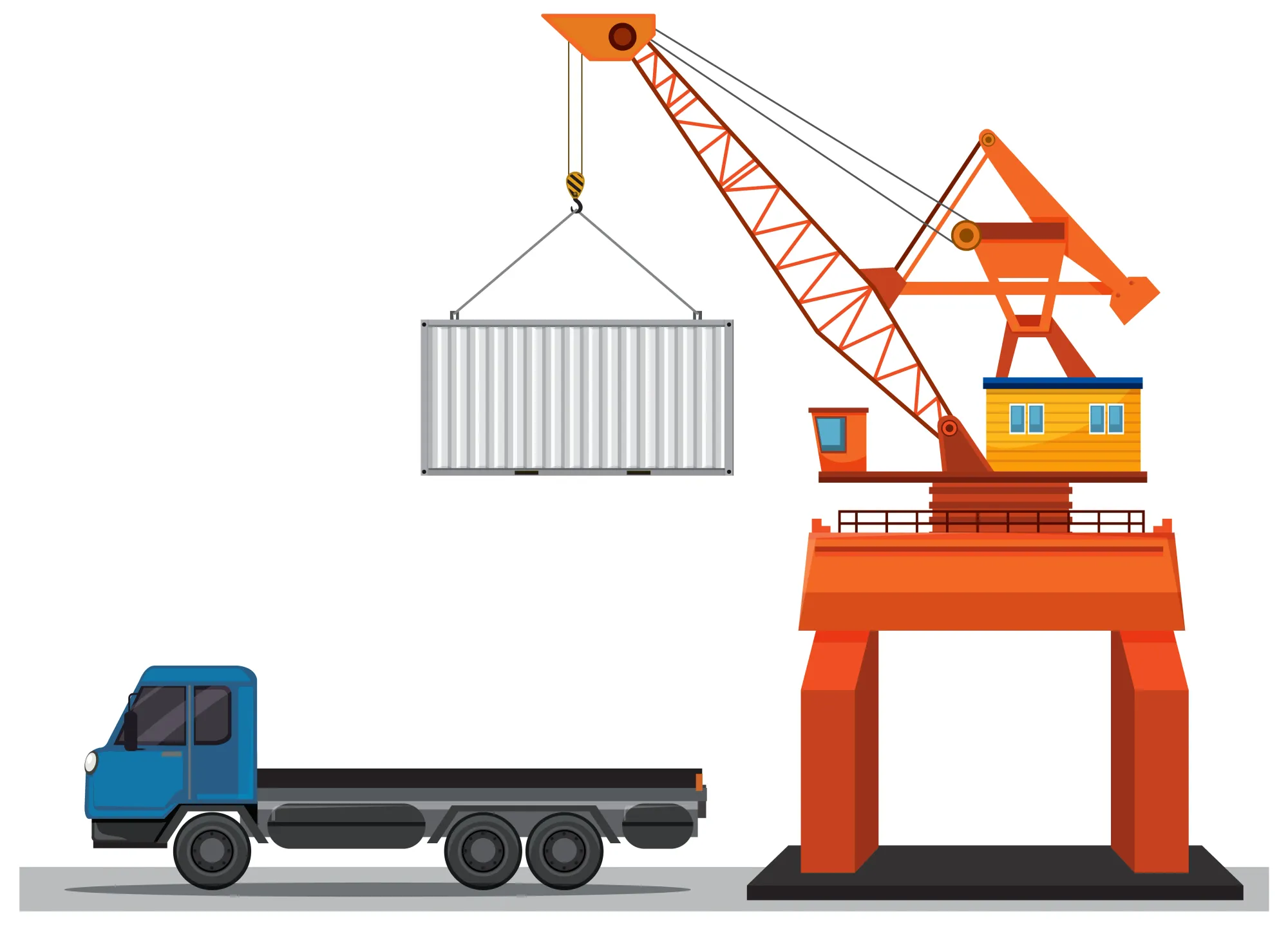
Who Sets These Fees and How Free Time Works
Custodians: Ports, Terminals, CFSs and ICDs
Custodians like port trusts, private terminals, CONCOR, and CFS/ICD operators set demurrage/ground rent scales of rates under port and customs regulations.
- They decide free storage periods (e.g., 3–5 days for import loaded containers, longer for empties).
- Beyond free time, demurrage/ground rent is charged per day, often with escalating slabs.
Shipping lines: Detention
Shipping lines define:
- Free time for container usage outside the terminal.
- Detention tariffs per container per day once that free time is exceeded.
In many quotations, you’ll see “demurrage & detention” together, globally this refers to container‑time inside and outside terminals, but in India custodians also separately use the word “demurrage” for storage.
Typical free days in India
While it varies:
- Many Indian ports/CFSs offer 3–5 free days for import loaded containers.
- Shipping lines commonly offer 5–10 free days of container detention outside the port, depending on lane and contract.
After that, both sets of charges are daily and can escalate quickly.
Why Indian Importers End Up Paying These Charges
Common root causes (all time‑loss issues):
- Documentation errors and HS code mismatches
Wrong HSN or product description triggers queries under faceless assessment, delaying out‑of‑charge and burning free days at port/CFS.
- Pending BIS/FSSAI or other certifications
Electronics, toys, food, cosmetics and industrial goods often need BIS, FSSAI or other approvals, missing paperwork means containers sit in custodian premises, attracting demurrage/ground rent.
- Delayed customs duty payment
If finance does not align funds with BoE assessment, you lose days between assessment and duty payment, paying storage charges for that entire period.
- Sea IGM/manifest and BL issues
Mismatch in IGM, BL or manifest details can delay DO issuance and clearance, pushing you past free time.
- Poor coordination with CHA, forwarder and transporter
Late BoE filing, last‑minute truck booking or unclear SOPs often mean containers stay at port even when technically clear, leading to avoidable port storage charges.
- Congestion or regulatory holds
Weather, strikes or heavy seasonal imports slow down processes, regulatory holds (valuation, investigation, samples) can add weeks of demurrage for no fault of the importer.
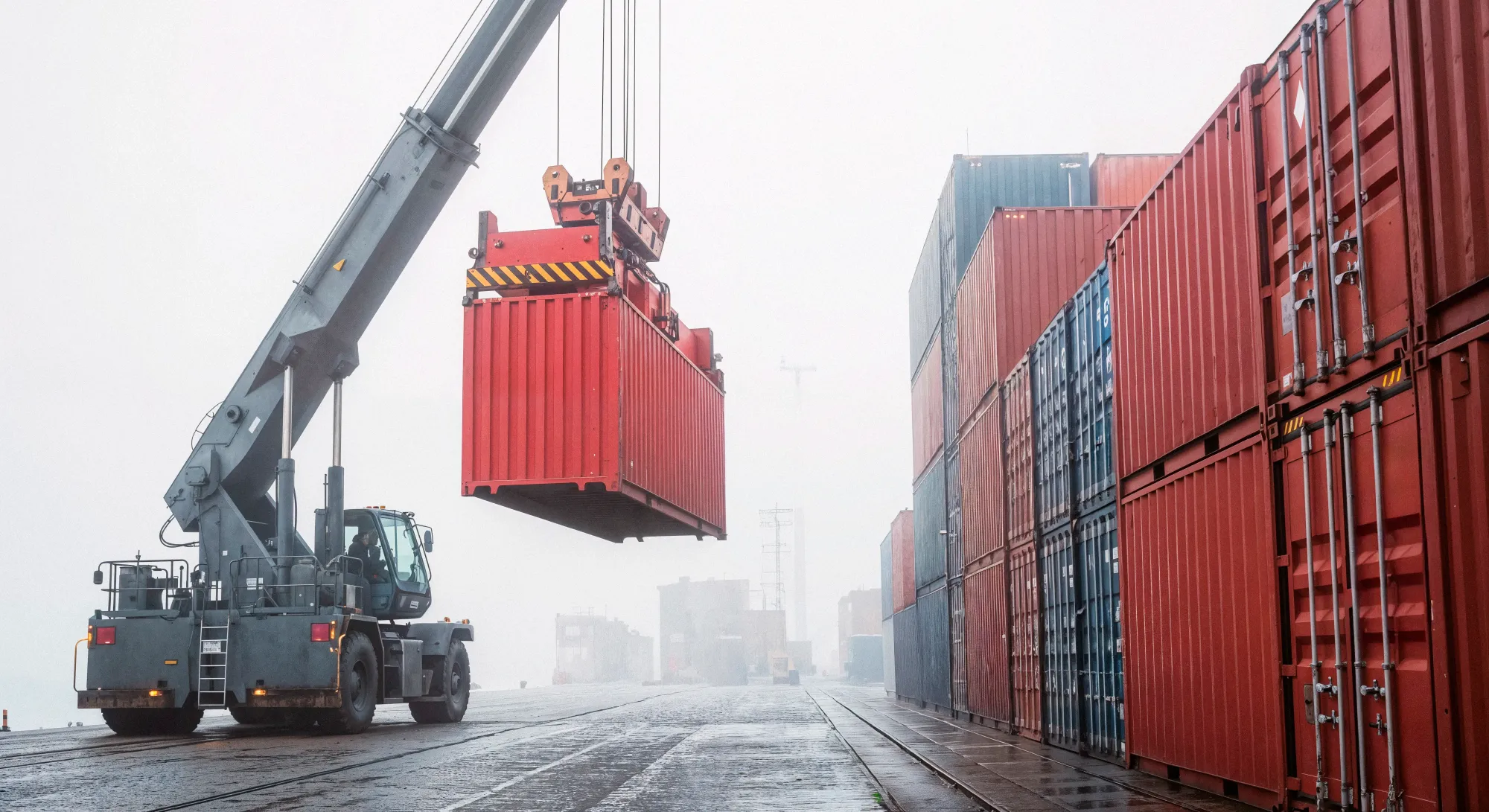
Practical Strategies to Reduce or Avoid Demurrage, Detention and Ground Rent
Use this as a practical checklist to avoid demurrage and detention.
a) Plan documentation and licences before shipment
- Confirm IEC, AD code, BIS/FSSAI approvals, DGFT permissions, SCOMET licences well before loading.
- Finalise HSN codes and descriptions with your CHA, refer to your HSN code guide, BIS certification guide and relevant product‑specific import guides.
b) Use ICEGATE, Sea IGM tracking and carrier portals
- Monitor vessel ETA, discharge, IGM filing, BoE status and out‑of‑charge via ICEGATE and shipping line portals.
- Track last free day for demurrage/ground rent (custodian) and for detention (shipping line) and set internal reminders and alerts.
c) Work with a capable CHA/freight forwarder
- Choose partners who plan documents before sailing, pre‑empt HS/BIS issues, and advise on examinations.
- They should help pick efficient CFS/ICDs with reasonable CFS ground rent India tariffs and low congestion.
d) Negotiate free days and service contracts
- If you’re a regular importer, negotiate extra free storage days with custodians and extra detention free days with shipping lines on key lanes.
- Ensure your contracts clearly define detention vs demurrage and mention how demurrage and detention in shipping will be calculated (combined or separate).
e) Use customs‑bonded warehousing when logical
- For high‑value or seasonal goods, move cargo to a customs‑bonded warehouse to stop port demurrage and quay rent while deferring duty.
- This works well for electronics, luxury items and bulky SKUs like furniture or auto parts where you want to spread duty cost over sales.
f) Build internal SOPs and checklists
Create simple SOPs covering:
- Step 1: Pre‑shipment document/licence check.
- Step 2: Vessel tracking, IGM and BoE filing timelines.
- Step 3: Duty payment and examination booking.
- Step 4: Truck booking, gate‑in timing and empty return planning.
Share this SOP across operations, finance and compliance so no step falls through the cracks.
FAQs
Frequently Asked Questions
In India, demurrage meaning in shipping is the storage‑type charge levied by port/terminal/CFS/ICD when your cargo/container stays beyond the free period inside their premises.
- Demurrage/ground rent/quay rent: Storage charges by custodians (port, terminal, CFS/ICD) after free storage days.
- Detention: Container usage charge by shipping lines when you keep their box too long outside the terminal.
It varies, but many Indian terminals and CFSs offer around 3-5 free days of storage for import loaded containers, and shipping lines often grant 5-10 free days of container detention.
Demurrage and ground rent are not automatically refundable. Waiver/ refund may be considered where goods were detained by customs/DRI and you hold proper detention certificates, but custodians keep significant discretion and court outcomes depend on facts.
Legally and commercially, demurrage/ground rent is generally claimed from the importer/consignee or their agent, and detention from the party named in the shipping line contract. Internal sharing between importer and forwarder depends on your agreements.