How to Import Electronics and Consumer Goods from China to India
Learn the step‑by‑step process to import electronics from China to India: compliance, customs duty, sea vs air freight.
Listen to article
Audio version (0% complete)
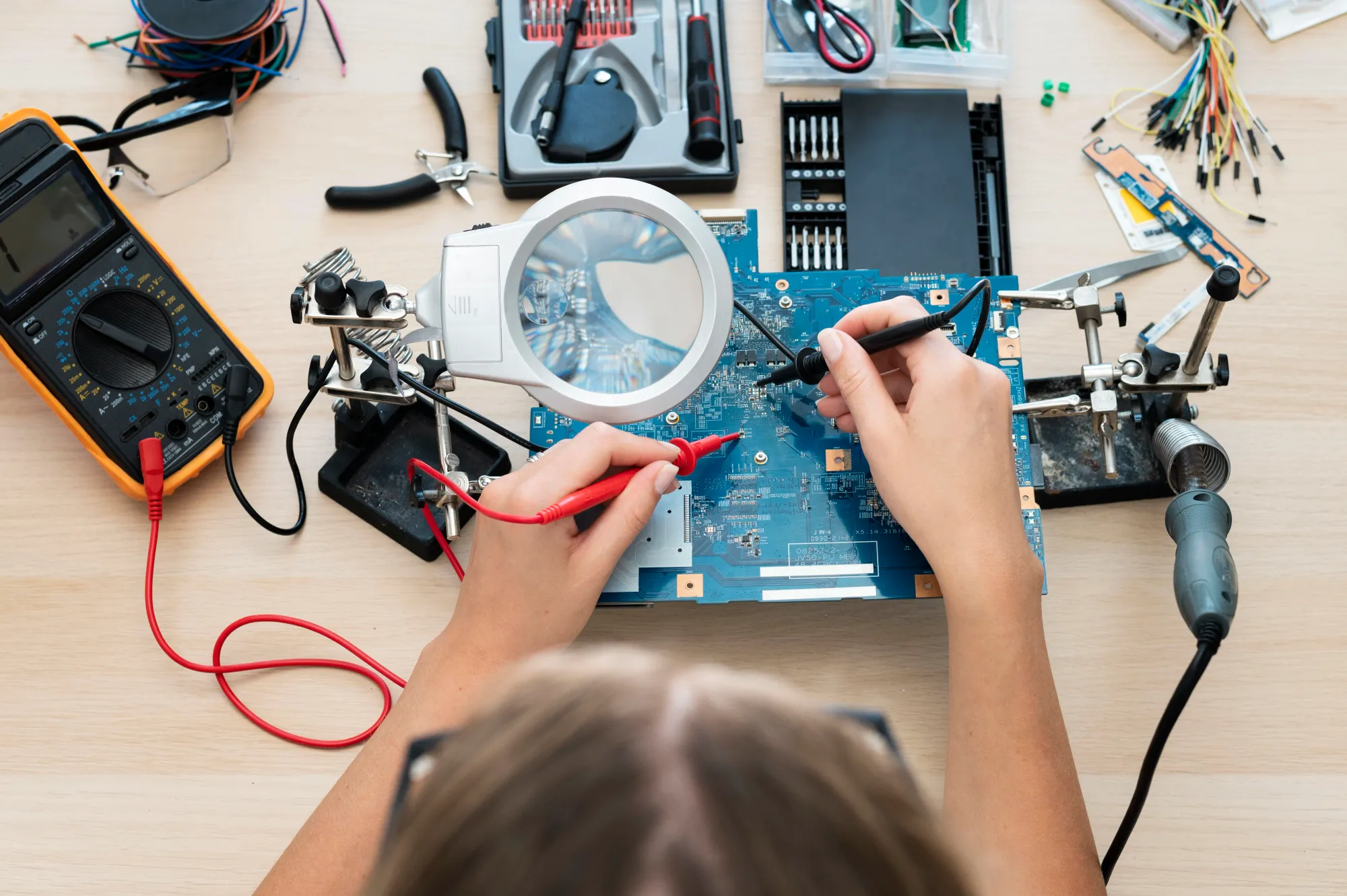
India is one of the world’s fastest‑growing markets for smartphones, laptops, LED lighting, small appliances, and lifestyle gadgets, and China is the primary external source for many of these products. Electronics alone account for tens of billions of dollars in annual imports from China and Hong Kong, covering everything from integrated circuits and batteries to consumer devices. For Indian brands, D2C sellers, retailers, and OEMs, importing electronics and consumer goods from China can unlock better pricing, faster product launches, and a much wider assortment, provided duties, compliance, and logistics are handled correctly.
China–India electronics trade overview
China’s share in India’s total import basket is about 14 percent, but its dominance in industrial goods such as telecom equipment, machinery, and electronics is far higher. China and Hong Kong together account for more than half of India’s imports of electronics, telecom, and electrical products, with particularly high dependence in semiconductors, diodes, batteries, and communication devices.
These imports are deeply embedded in India’s domestic value chain. Integrated circuits, batteries, and modules feed local assembly of mobiles, laptops, wearables, and appliances, while finished gadgets flow into modern retail, e‑commerce marketplaces, and the long‑tail reseller network across Tier‑2 and Tier‑3 cities.
Step‑by‑step import process for Indian SMEs
1. Choose products and identify HS codes
Every product imported into India is classified under an HS (Harmonized System) code, also referred to as HSN code, which determines the applicable customs duty, GST rate, and any restrictions. For electronics, there are distinct HS codes for finished goods (for example, mobile phones, laptops, LED lamps) and for components (batteries, chargers, PCBs, integrated circuits), usually attracting different duty structures.
2. Check BIS, WPC and other regulations upfront
Many electronic and IT products fall under the BIS Compulsory Registration Scheme (CRS). Under this scheme, products on the CRS list, such as laptops, tablets, LED lamps and luminaires, UPS up to 5 kVA, power adapters, and certain audio‑video equipment must carry BIS registration before they can be imported and sold in India. Wireless products using Wi‑Fi, Bluetooth additionally require WPC ETA (Equipment Type Approval) and, for some categories, a WPC import licence under the Department of Telecommunications is required.
3. Find and vet Chinese suppliers
Beyond marketplace platforms, many serious Indian importers work through trade fairs, sourcing agents, or direct factory outreach in hubs like Shenzhen, Guangzhou, Ningbo, and Shanghai.
There are majorly three ways Importers Source Products Today
- Alibaba
- Global Sources
- Trade Fairs
Trade fairs are a very good option but it could a little costlier for those just entering into import business, and, thus Alibaba and Global becomes a go to options for SME importers.
To get a deeper dive on how to import from Alibaba or Global Sources, you can check this detailed blog - "Alibaba vs Global Sources vs Trade Shows: Where Should Indian Importers Really Source Products?"
4. Decide shipping mode and Incoterms
Most bulk electronics move by sea freight (FCL or LCL) because it is significantly cheaper, often 60–70 percent lower cost than air freight for the same weight. Air freight is reserved for urgent, high‑value, or low‑weight items (like phones or components) where speed matters more than freight cost.
5. Documentation and regulatory checklist
Before shipment reaches India, ensure the following are in place:
- IEC (Importer‑Exporter Code) from DGFT.
- Commercial invoice and packing list.
- Bill of Lading (for sea) or Air Waybill (for air).
- Supplier’s BIS registration details and test reports, if applicable.
- WPC ETA/WPC licence for wireless equipment.
- AD Code registration with the destination port or airport so that foreign remittances and customs EDI mapping work seamlessly.
- Insurance policy (marine or air cargo).
On arrival, the importer or customs broker files a Bill of Entry on ICEGATE, linking all supporting documents via e‑SANCHIT for assessment.
Customs duty, GST and landed cost
India’s import duty structure for electronics has three primary components: Basic Customs Duty (BCD), Social Welfare Surcharge (SWS), and Integrated GST (IGST), with additional anti‑dumping or safeguard duties on some items.
- BCD is applied on the assessable value, typically the CIF value plus landing charges.
- SWS is generally 10 percent of the BCD amount.
- IGST is levied on the sum of assessable value plus BCD plus SWS and any other applicable duties, at rates (for electronics) commonly in the 12–18 percent range depending on HS code.
Landed cost example
Assume an electronic gadget from China with:
- CIF value into India: ₹100,000
- BCD rate: 10 percent
- SWS: 10 percent of BCD
- IGST: 18 percent
Duty calculation would look like this (illustrative only):
- BCD = 10 percent of ₹100,000 = ₹10,000
- SWS = 10 percent of ₹10,000 = ₹1,000
- Sub‑total for IGST = ₹100,000 + ₹10,000 + ₹1,000 = ₹111,000
- IGST = 18 percent of ₹111,000 = ₹19,980
Total duties and taxes at import = ₹10,000 + ₹1,000 + ₹19,980 = ₹30,980.
So basic landed cost (before local logistics and margins) = ₹130,980. IGST paid can usually be claimed as input tax credit in the GST return.
BIS, WPC and product rules
BIS (Bureau of Indian Standards) operates mandatory certification and registration schemes for specified product categories, including many electronics. Under the Compulsory Registration Scheme, notified electronics and IT goods cannot be imported, stocked, or sold unless they bear a valid BIS registration number linked to an Indian manufacturer or brand owner.
Typical products needing BIS CRS include laptops/notebooks/tablets, LED lamps and luminaires, power adapters and SMPS, UPS/inverters up to 5 kVA, certain TVs, storage batteries, and several categories of lighting products.
For wireless devices, WPC ETA and, where needed, WPC import licences are compulsory. All devices with Wi‑Fi, Bluetooth, or ZigBee radios must comply, and imports without approval can be seized at the border.
Important: Majority of the products in India are protected with BIS. Check the blog "BIS Certification in India: A Practical Importer’s Guide (2026)" for a deeper understanding on how BIS systems works for Imports.
Sea Port vs Airport for bulk imports
Sea freight remains the backbone of China–India trade because it is far cheaper per unit than air and can handle both FCL and LCL shipments. Major Chinese load ports include Shanghai, Ningbo, Shenzhen, and Guangzhou, with common routes into Indian ports like Nhava Sheva (JNPT), Mundra, and Chennai in 12–18 days for many lanes.
Air freight from China to India typically delivers in 3–7 days door‑to‑door but can cost several times more per kilogram than sea freight, making it suitable for high‑value, urgent, or lightweight electronics and components. Key Indian air cargo gateways for electronics include Delhi, Mumbai, Bengaluru, and especially Chennai, which has emerged as one of India’s fastest‑growing air cargo hubs due to iPhone exports and large volumes of electronic components.
Factor | Air freight | Sea freight |
Transit time China - India | Around 3–7 days including customs | Around 15–35 days depending on port and schedule |
Cost per kg | Much higher (often ₹350–₹600+ per kg equivalent) | 60–70 percent cheaper for bulk cargo |
Ideal shipment type | High‑value, urgent, low‑weight electronics and components | Bulk phones, TVs, appliances, accessories, seasonal inventory |
Risk and handling | Lower risk of handling damage, stricter rules for batteries | More handling and longer journey, sensitive to documentation and congestion |
Typical SME use cases | New launches, urgent stock‑outs, JIT supply to factories, samples | Regular replenishment, price‑sensitive categories, large orders |
Risk management and quality control
For Indian SMEs, risk management starts at supplier selection and contracting. Payment terms typically range from advance TT and part‑payment against documents to letters of credit for larger or repeat shipments, open account is usually reserved for highly trusted relationships. Clear contracts should define specifications, quality standards, packaging, INCOTERMS, delivery timelines, and remedies for defects.
Conclusion
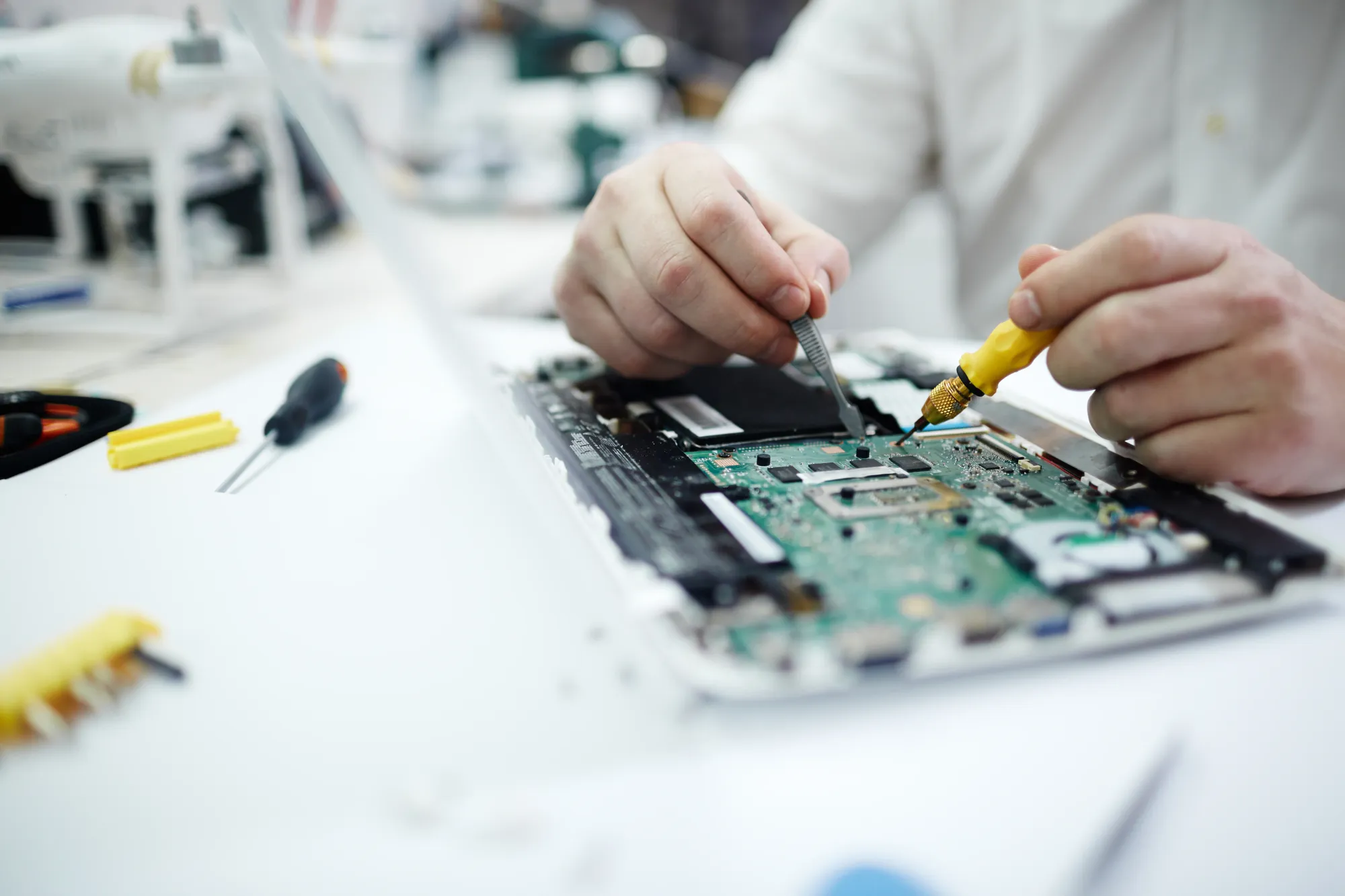
Importing electronics and consumer goods from China to India is a high‑potential but compliance‑sensitive opportunity. Success for Indian SMEs lies in choosing the right products and HS codes, planning BIS/WPC and DGFT permissions upfront, accurately modelling customs duty and landed cost, and selecting suitable ports, airports, and logistics partners.
FAQ
Frequently Asked Questions
For most SMEs, consolidating at least a few cubic metres or a partial container (LCL) by sea makes freight economical, very small quantities are usually moved as courier or air freight but attract higher per‑unit costs.
If a product is on the BIS CRS list and you attempt to import it without valid registration, customs can detain or confiscate the goods, order re‑export, and impose penalties, and major online marketplaces typically block such non‑compliant products.
Courier and express parcels are suitable for samples or very small consignments, using them for full‑scale commercial imports usually leads to higher landed cost and can invite scrutiny if authorities feel you are splitting shipments to avoid compliance.
Sea shipments generally take 15–35 days port‑to‑port depending on route and congestion, while air freight is typically delivered within 3–7 days including customs clearance at major Indian airports.