Marine Insurance for Importers: Meaning, Types, Coverage, Claims & India-Specific Guide
Learn marine insurance for importers in India, including types, coverage, claims, Incoterms, and practical tips.
Listen to article
Audio version (0% complete)
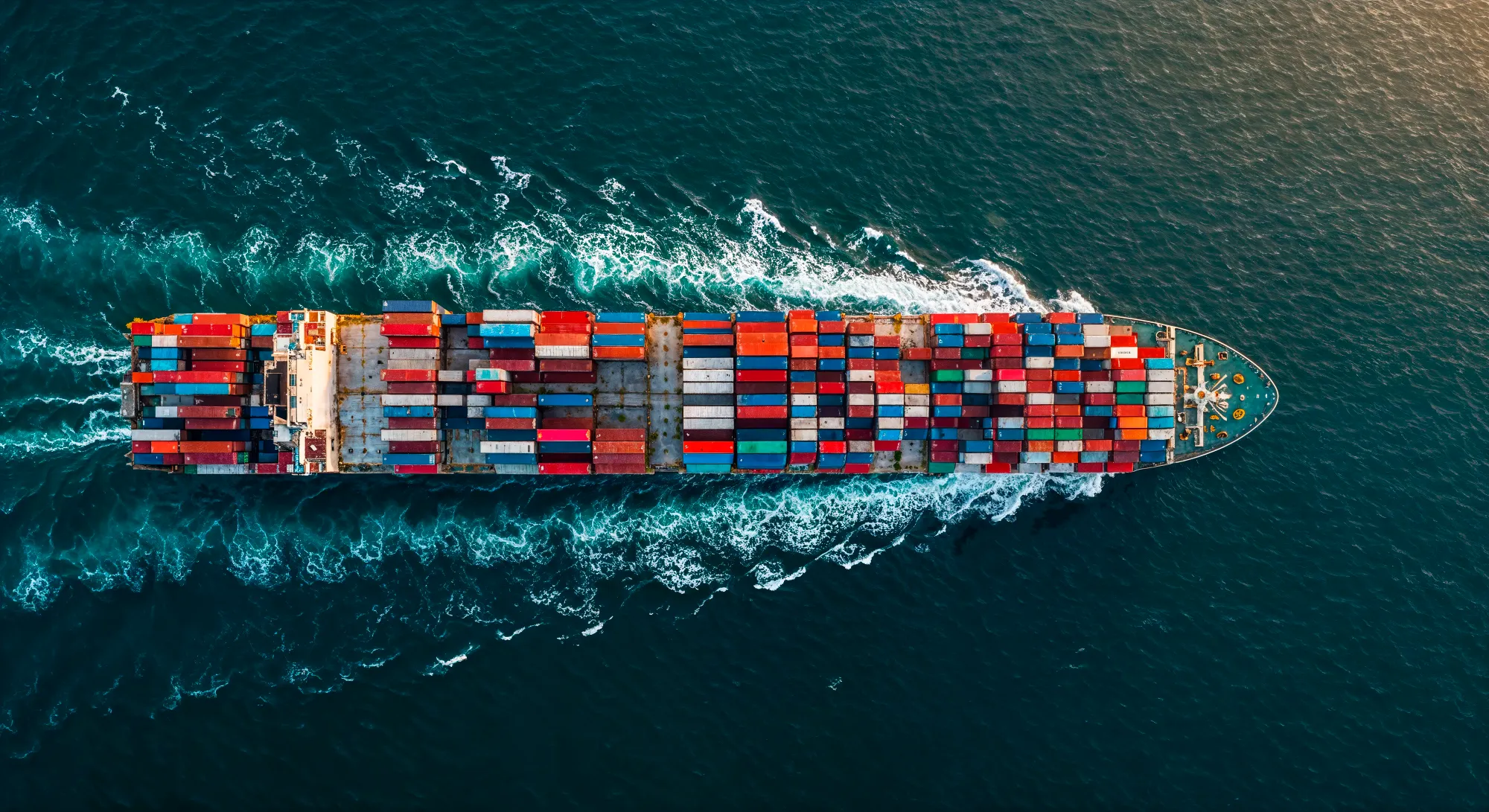
An Indian importer brings in a container of electronics from China, worth ₹80 lakh. During the voyage, the container is exposed to heavy weather, water seeps in, and a big part of the cargo is damaged. The shipping line points to its limited liability and offers only a fraction of the loss, leaving the importer with a huge financial hit. This is exactly the kind of situation where marine insurance protects importers from serious cash-flow and business risk.
In simple terms, marine insurance is a contract where an insurer agrees to compensate you if your cargo or ship suffers loss or damage during transit, in return for a premium. Relying only on carrier liability is risky because carriers are liable only up to low limits and often exclude many causes of loss, marine cargo insurance is what actually protects the importer’s full cargo value.
How Does Marine Cargo Insurance Work for Importers?
Marine cargo insurance is designed to cover your financial interest in the goods while they are in transit.
- When cover starts and ends (warehouse-to-warehouse): Many policies follow the "warehouse-to-warehouse" concept, starting when goods leave the seller’s warehouse and ending when they reach the buyer’s warehouse, subject to policy terms and time limits.
Most importers also need to understand how cargo moves through ports, containers, and customs before the shipment is finally cleared, read our blog "Complete Guide to Container Tracking and Container Types 2026" to understand this.
- Insurable interest: You must have a financial stake in the cargo - you gain if it arrives safely and lose if it is damaged. This is a key principle under the Marine Insurance Act 1963.
- Typical policy flow: You agree a sum insured (often invoice value plus a percentage), choose coverage clauses (ICC A/B/C), pay premium, and the insurer issues a policy or certificate covering a defined voyage or period.
Step-by-step: How marine cargo insurance works
- Get a quote
- Share shipment details: nature of goods, value, origin, destination, packing, expected frequency.
- Choose cover type
- Decide between all-risk (ICC A) and named perils (ICC B/C) based on risk appetite and commodity.
- Issue policy or certificate
- The insurer issues a marine insurance policy or cargo certificate with voyage details, sum insured, clauses and deductibles.
- Cargo in transit
- Goods move through exporter’s warehouse, port, vessel/aircraft, destination port and importer’s warehouse, losses during this period are considered under the policy conditions.
- Claim if loss occurs
- If cargo is damaged or lost, you notify carrier and insurer, arrange a survey, submit documents and the insurer assesses the claim.
Types of Marine Insurance Policies
There are several types of marine insurance policies, but importers mainly interact with cargo-focused products.
Main types
- Marine cargo insurance: Insures the goods in transit - primary focus for importers/exporters.
- Hull insurance: Covers physical damage to vessels, relevant for shipowners.
- Freight insurance: Covers loss of freight revenue for the party responsible for freight if the voyage is not completed.
- Liability / P&I insurance: Covers third-party liabilities such as damage to other ships, pollution, or injury; mostly for shipowners and operators.
Types of marine cargo policies
- Specific (voyage) policy: Covers a single shipment from point A to B.
- Open policy / open cover: A running policy that covers multiple shipments within a period or up to a declared turnover, ideal for regular shippers.
- Time policy: Covers cargo over a defined time period, often used in combination with voyage covers, more common for hull but sometimes structured for cargo programmes.
- Mixed policy: Combines features of time and voyage policies for flexibility.
- Warehouse-to-warehouse cover: Extends cover from seller’s warehouse to buyer’s warehouse, not just port-to-port.
Policy Types
Policy type | Who it suits | Typical use case for importers |
Specific / voyage policy | Occasional or first-time importers | One-off shipment of machinery or samples, low shipment frequency. |
Open policy / open cover | SMEs with regular monthly imports | Regular imports of components from China or ASEAN suppliers. |
Time / mixed policies | Larger importers with continuous flows | High-volume importers needing simplified admin for many voyages. |
Warehouse-to-warehouse add-on | Importers worried about first/last mile | Goods prone to damage during road transport at origin/destination. |
If your shipment is moving by sea in a container, the choice of policy should also match the shipment mode, container type, and freight structure.
What Does Marine Insurance Cover
Typical marine cargo insurance (depending on clauses) can cover:
- Fire and explosion
- Vessel sinking, capsizing, stranding, or collision
- Heavy weather and sea perils
- Theft, pilferage, and non-delivery (under broader clauses)
- General average and salvage charges
Major exclusions importers must know
Common exclusions include:
- Ordinary leakage, normal loss in weight or volume
- Inadequate or improper packing
- Inherent vice of the goods (goods naturally deteriorating)
- Delay, even if delay is caused by an insured peril
- Intentional misconduct of the insured
- Sanctions, illegal trade and contract disputes
Quick example: covered vs not covered
- Covered scenario: Container of electronics suffers water damage due to a heavy storm at sea, under ICC A or suitable ICC B cover, this is a typical claim situation.
- Not covered scenario: Same electronics corrode because they were packed in poor-quality cartons that collapse in normal handling, insurers may treat this as improper packing or inherent vice and deny the claim.
Incoterms and Marine Insurance Responsibility (CIF vs FOB vs Others)
Incoterms define who is responsible for cost, risk and sometimes insurance in an international sale. For importers, knowing who must buy marine insurance and when risk transfers is critical.
Who typically insures under common Incoterms
Incoterm | Who typically arranges insurance | When risk transfers | Practical tip for Indian importers |
EXW | Buyer/importer | At seller’s premises | Buyer should arrange full warehouse-to-warehouse marine insurance. |
FOB | Usually buyer/importer | When goods are loaded on vessel | Importer must insure from loading port to final warehouse. |
CIF | Seller (minimum ICC C cover) | When goods are loaded on vessel | Do not rely only on ICC C; consider buying additional all-risk top-up. |
CIP | Seller (all-risk ICC A required) | At first carrier handover | Still review limits and exclusions; consider top-up if goods are very risky. |
DAP / DDP | Often seller (case-by-case) | At named place in buyer’s country | Clarify in contract who will insure and up to which point. |
Under CIF, sellers must buy at least ICC C-level cover, which does not include theft or many handling-related losses, so importers often choose to arrange extra insurance or negotiate better terms.
If you want to understand how CIF, FOB, and assessable value affect total import cost, we’ve explained that separately in detail in the blog "CIF, FOB, and Assessable Value: How Customs Calculates Duty on Imports".
Practical tips for choosing the right policy
- Choose the right cover type: For higher-value or fragile imports, prefer ICC A/all-risk over basic named-perils covers.
- Check insurer reputation and claim support: Look for insurers or brokers with strong marine claims handling and surveyor networks at your ports.
- Watch deductibles and exclusions: Low premiums with very high deductibles or harsh exclusions can be false savings.
- Ensure correct packing and documentation: Poor packing and incomplete paperwork are common reasons for disputes.
- Align with your Incoterms and routes: If most of your imports are FOB China-India, design your open cover specifically around these routes and Incoterms.
Marine Insurance Claim Process for Importers (Step-by-Step)
When cargo arrives damaged or goes missing, a structured response improves your chances of a smooth claim.
What to do immediately
- Inspect and document the damage: Take photos/videos at the time of delivery and note remarks on delivery receipts.
- Notify carrier and insurer quickly: Send written intimation to the shipping line, freight forwarder and insurer within the time limits mentioned in the policy.
- Arrange survey: Let the insurer appoint a surveyor to assess the damage; cooperate fully and preserve the damaged goods.
- Mitigate further loss: Take reasonable steps to reduce further damage (e.g., move goods to a safe place), as required by loss minimisation principles.
Key documents for a marine insurance claim
Typical documents include:
- Marine insurance policy or certificate
- Duly filled claim form
- Commercial invoice and packing list
- Bill of lading / airway bill
- Delivery order and receipts with remarks
- Survey report or missing certificate
- Bill of Entry and customs duty payment proof (for Indian imports)
- Photos and any correspondence with carrier
Common mistakes that delay claims
- Late notification to insurer or carrier beyond specified timelines.
- Missing or inconsistent documents (e.g., invoice values not matching policy).
- Poor packing or obvious handling negligence on the insured’s side.
Cost of Marine Insurance and Buying Decisions
What drives marine insurance premium for importers
Premium is influenced by:
- Cargo value and desired sum insured
- Type of goods (hazardous, fragile, high-theft items)
- Voyage route and ports (e.g., piracy-prone or weather-prone routes)
- Packing quality and containerisation (FCL vs LCL)
- Claims history and risk management practices
Buying via shipping line vs independent marine policy
Option | Pros | Cons |
Through shipping line/forwarder | Convenient, one invoice, quick to arrange | Less control on coverage terms, often only basic cover |
Independent marine policy | More control (sum insured, clauses, insurer choice) | Requires more effort, separate documentation |
FAQs
Frequently Asked Questions
Marine insurance is usually not legally mandatory, but some lenders, buyers, or contracts may require it, and it is strongly recommended because carrier liability alone rarely covers your full cargo value.
Most importers insure for invoice value plus a margin (for example, 10% for freight and incidental costs), aligning with common ICC and Incoterms practice. Your broker or insurer can help you set an appropriate sum insured.
Despite the name, marine insurance policies often cover cargo moving by sea, air, road and rail, as long as the transit is described correctly in the policy.
No. Under CIF, the seller must provide minimum ICC C-level coverage at about 110% of invoice value, which does not include many risks like theft or rough handling. Importers often buy additional cover.
Yes. Many Indian insurers and brokers now offer online marine cargo insurance for importers, where you can input shipment details and instantly generate a policy.
Even small shipments can face total loss, so marine insurance is still useful, the decision often depends on the value, risk of the route, and your ability to absorb a loss. For frequent small shipments, an open cover can be cost-effective.
Claim timelines vary by insurer and complexity, but efficient documentation (policy, invoices, BL, survey report, photos) and prompt communication can significantly speed up settlement.
Yes, standard marine cargo policies generally cover general average and salvage charges, so if a shipowner declares general average, your insurer can reimburse your contribution according to policy terms.