50 Emerging Industries in India: 2026 Opportunity Map for Global Brands (And How to Get Paid)
Discover 50 emerging industries in India for global brands in 2026. From gaming to SaaS, see where the opportunity is and how to get paid.
Listen to article
Audio version (0% complete)

If you’re a global brand, India is no longer a “someday” market, it’s one of the last truly large, fast‑growing consumer markets you can still enter early and meaningfully. Over the coming decades, the population is heading towards roughly 1.6 billion, but what matters more is the 300‑million‑plus Indians who already have the purchasing power to buy global products and subscriptions today.
This middle class is not confined to Delhi, Mumbai, and Bengaluru. India’s consumer growth is decentralising into nearly 500 “consumer cities”, with around 93 percent of incremental spending expected to come from outside the top five metros as new urban clusters mature. Tier‑2 and Tier‑3 cities are turning into serious growth hubs for e‑commerce, D2C brands, services, and digital consumption, not just satellites of the big metros.
So the question is no longer “Should we enter India?” It’s “Which categories should we enter first, and how do we make it easy for Indian customers to pay us when they decide to buy?”
How India is consuming differently in 2026
India’s digital economy and e‑retail are growing significantly faster than the overall GDP. E‑commerce GMV is projected to nearly double to around 280-300 billion USD by 2030, even though it will still be a relatively modest share of total consumption, which shows how early the market still is. The online shopper base is expected to expand from roughly 280-300 million in the mid‑2020s to 420-440 million by the end of the decade, with a growing share coming from rural and non‑metro areas.
Gen Z and young millennials are at the centre of this shift. They drive a disproportionate share of spend on fashion, eating out, travel, OTT subscriptions, gaming, and lifestyle experiences, and they discover new brands through influencers, short‑form video, and quick commerce more than through traditional ads. That means global brands with strong digital storytelling and community can plug into this wave faster than legacy players.
Crucially, most of this growth is happening away from the classic metro story. By 2036, middle‑class and affluent consumers are expected to account for 93 percent of spending, and much of this new spending power will be distributed across 400-500 “next‑tier” cities rather than just a handful of metros. For global brands, that means the opportunity is not just in opening a flagship store in Mumbai; it’s in designing digital and logistics strategies that reach Tier‑2/3 customers who expect the same quality and delivery experience as metro buyers.
Against this backdrop, here are 50 emerging industries where global companies can build meaningful India businesses over the next decade.

50 emerging industries in India for global brands

Travel, experiences & global services
Online travel agencies & experience platforms for outbound Indians
Outbound travel from India is growing rapidly as incomes rise and visas ease. Global OTAs and experience platforms that tailor UX, support and pricing to Indian travellers will benefit.
Study‑abroad and global education services
Large numbers of Indian students pursue overseas education every year. Foreign universities and service providers that simplify admissions, housing and fee payments can tap into a huge pipeline.
Language and cultural immersion programs
Short‑term language and cultural programs appeal to students and young professionals. Global schools and platforms that bundle stays, classes and experiences can stand out.
Global events, concerts & fandom experiences
Indians increasingly travel for concerts, sports events and conventions. International ticketing and fan‑experience platforms that localise for India can capture this spend.
Remote work & digital‑nomad services
A slice of Indian professionals now works remotely for global companies and explores nomadic lifestyles. Co‑living, co‑working and relocation services can build India‑specific offerings.

B2B & productivity SaaS for Indian businesses
SME finance, accounting & payroll tools
Tens of millions of SMEs are formalising and moving to digital tools post‑GST. Global SaaS tools adapted to Indian tax rules, language and workflows can do very well.
Cross‑border e‑commerce enablement
Indian sellers need help with shipping, customs and compliance when they sell abroad. Cross‑border logistics SaaS and platforms that “productise” compliance are in demand.
Marketing, CRM & automation platforms for India
Retention and lifecycle marketing are still under‑tooled in many Indian businesses. Global martech platforms that integrate with Indian channels (WhatsApp, UPI notifications, etc.) can add real value.
Developer tools & cloud infrastructure
India’s developer base is one of the largest in the world. International devtools and infra providers that support Indian pricing and regional data needs can scale quickly.
AI productivity and agentic tools for Indian teams
Indian companies are experimenting aggressively with AI for sales, support and operations. Global AI tools that handle local languages, accents and workflows will see strong pull.

Digital life, content & entertainment
Mobile gaming & esports platforms
India is one of the world’s largest mobile gaming markets, with cheap data and powerful smartphones in mid‑segments, creating demand for global titles, esports tournaments, and competitive ecosystems. Titles like PUBG (relaunched as BGMI), Candy Crush, and WIZO illustrate the range of formats, from competitive battle royale to casual puzzle, that capture Indian users at scale. Global studios, publishers, and tournament platforms that localise content, pricing, and events can build strong franchises.
Creator tools & streaming gear
A fast‑growing creator economy across YouTube, Instagram, and local platforms is driving demand for cameras, microphones, lights, and editing tools that feel “pro‑grade” but affordable. Global hardware and software brands that bundle gear, easy workflows, and creator education have room to win.
OTT, niche streaming, and fandom platforms
Beyond mainstream OTT, there’s room for niche platforms focused on anime, K‑drama, sports, and specific fandoms as Indians seek more specialised content. Global rights holders and platform operators who can curate deep catalogues and localise UI/UX will find willing subscribers.
Audio, podcast, and live‑audio products
As commuting, chores, and workouts increase, long‑form and conversational audio is gaining traction, especially in vernacular languages. International podcast platforms, audio tools, and hardware brands can tap into this by supporting multilingual creation and discovery.
Language learning & global skills platforms
Millions of Indians want to learn English accents, other languages, and job‑relevant global skills to unlock better opportunities. Global EdTech and language platforms that price for Indian wallets and support mobile‑first learning will see steady demand.

Fashion, beauty & personal care
Affordable global fashion and streetwear
Fast fashion and streetwear resonate strongly with Gen Z, who want global aesthetics at price points matched to Indian incomes. Brands that nail sizing, returns, and influencer‑driven discovery in Tier‑2/3 can scale quickly.
Premium athleisure & sportswear
Rising fitness culture plus growing gym and yoga participation create demand for high‑quality athleisure and performance wear. International sportswear brands that bring technical fabrics and strong brand stories beyond metros have an edge.
Beauty & skincare (K‑beauty, J‑beauty, dermacosmetics)
India’s beauty and personal care market is one of the fastest‑growing globally, with consumers actively seeking advanced, concern‑specific solutions. Global skincare and beauty brands that explain ingredients clearly and adapt to Indian skin, climate, and price points can carve out loyal segments.
Haircare and styling tools
Heat styling, colour, and textured haircare are underserved relative to demand, especially outside metros. Global brands offering safe, high‑performance devices and products tailored to Indian hair types can stand out.
Fragrances, male grooming & beauty tech devices
Younger consumers, especially men, are spending more on grooming, fragrances, and gadgets like IPL devices or smart mirrors. International brands that normalise these habits and simplify usage will find a receptive audience.

Lifestyle, home & living
Home decor & minimalist furniture
Smaller apartments and rising aesthetic awareness are driving demand for compact, modular, and design‑forward furniture. Global D2C and furniture brands that ship flat‑pack, easy‑assembly products with good after‑sales support can win.
Smart home devices & security
Connected cameras, locks, lighting, and energy monitors are moving into the mass‑affluent segment as prices fall. International IoT brands that integrate with Indian platforms and understand local housing layouts have room to scale.
Kitchen gadgets & smart appliances
Air fryers, blenders, and multifunction cookers are becoming mainstream in urban households pressed for time. Appliance makers that adapt recipes, voltages, and capacities to Indian kitchens can build strong franchises.
DIY, crafts & hobby supplies
As incomes rise, more Indians are picking up creative hobbies at home, from art and craft to small woodworking projects. Global craft and hobby brands with strong community content and subscription boxes can tap into this.
Eco‑friendly cleaning and home‑care products
There is growing awareness around toxins, allergies, and sustainability, especially among young families. Brands offering concentrated, refillable, or low‑chemical cleaning and home‑care products can capture premium niches.
Electronics, mobiles & accessories
Gaming laptops, consoles & peripherals
Serious gamers and aspiring creators want powerful hardware for both play and streaming. Global PC and console makers who bundle financing, warranties, and local service centres can grow quickly.
Mobile accessories & wearables
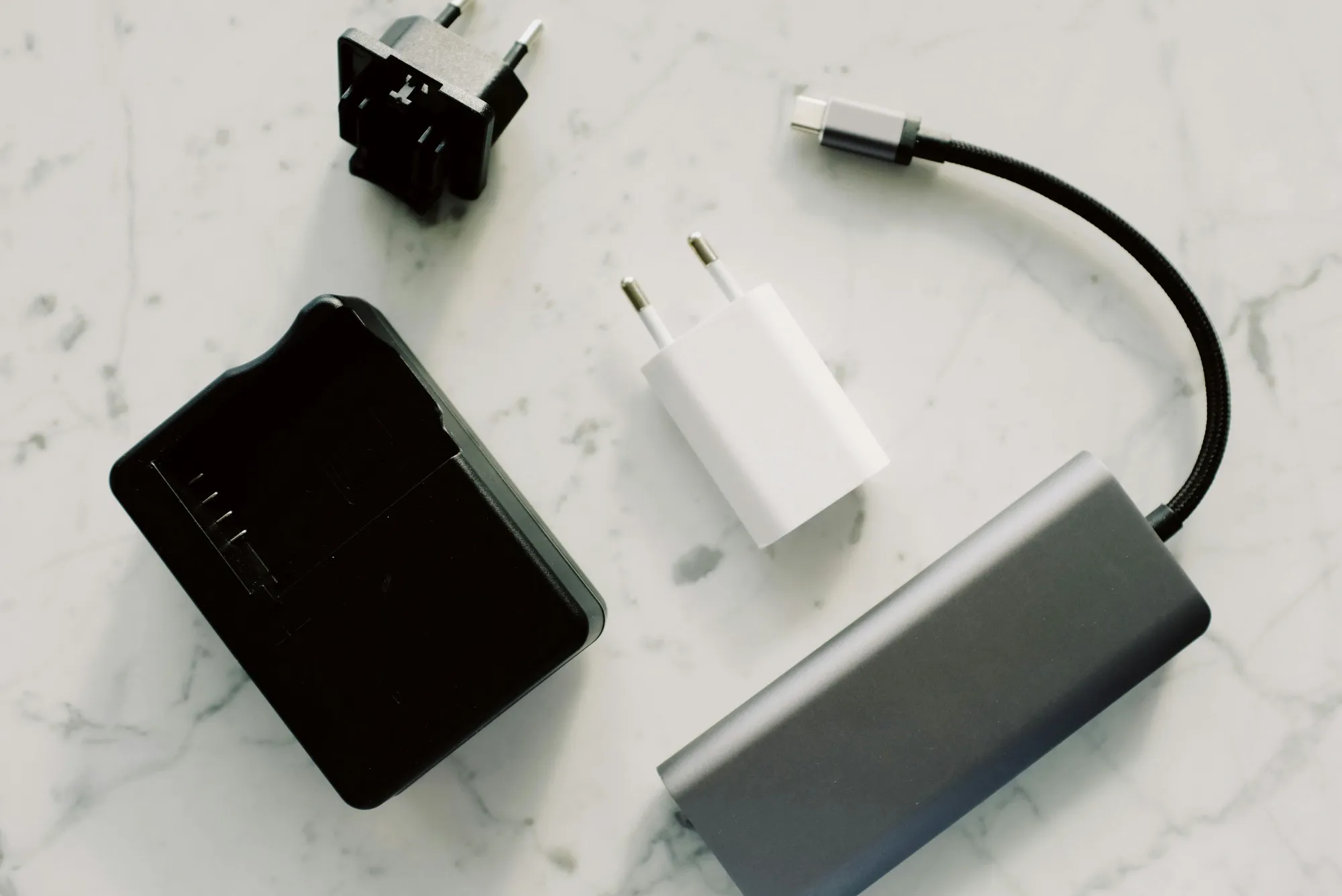
Cases, chargers, power banks, and wearables are everyday upgrades for a mobile‑first population. International accessory brands with strong design and reliable quality can differentiate themselves from unbranded options.
Audio gear (TWS, headphones, studio mics)
From commuters to creators, demand for better audio is booming. Global audio brands that cover the spectrum from affordable TWS to studio‑grade gear, with robust warranties, can capture long‑term loyalty.
Creator hardware (ring lights, capture cards, teleprompters)
Professional‑looking video is now a basic requirement for many freelancers, influencers, and SMBs. Hardware makers that simplify production for “one‑person studios” can build a strong India franchise.
Productivity gear for hybrid work
Hybrid work is here to stay, driving demand for monitors, ergonomic chairs, and docking setups. Global brands that design compact, apartment‑friendly setups at India‑friendly prices can win both retail and B2B deals.

Health, fitness & wellness
Home fitness equipment & connected gear
Busy professionals and Tier‑2 residents want gym‑quality workouts at home. International fitness brands with compact equipment and app‑linked programs can plug into this.
Nutrition, vitamins & sports supplements
There is rising interest in protein, vitamins, and performance nutrition, but trust is a major concern. Global brands with strong science, clean labels, and transparent sourcing can capture premium share.
Mental wellness & therapy platforms
Stress, burnout, and urban loneliness are pushing demand for therapy, counselling and self‑care tools. Cross‑border platforms that partner with Indian professionals and offer culturally aware content can grow sustainably
Women’s health tech & products
Femtech, cycle tracking, fertility tools,, and menopause care are early but high‑potential spaces. Global players who handle privacy, education and community well can become category leaders.
Sleep and recovery products
Mattresses, sleep trackers, blue‑light solutions and aromatherapy are picking up as people seek better recovery. Brands that bundle products with clear routines and education can stand out.

Kids, baby & education
Babycare (diapers, skincare, feeding, hygiene)
Young parents want safe, dermatologist‑tested, global‑quality baby products, often willing to pay a premium. International babycare brands with strong safety credentials and subscription models can build durable share.
Educational toys & STEM kits
Parents are actively seeking toys that combine fun with learning for STEM, coding and creativity. Global toy and EdTech brands offering kits and curriculum‑linked products can thrive.
Online learning & global test‑prep platforms
SAT, GMAT, IELTS and other global exams remain a big aspiration channel. Foreign EdTech platforms that localise content and pricing for India can capture this demand.
Parenting and education communities/apps
There is a need for trustworthy advice around parenting, curricula and child development. Platforms that combine content, Q&A and curated products can build strong trust moats.
Kids fashion & footwear
Indian parents increasingly spend on stylish and durable clothing for kids, often mirroring adult trends. Global kidswear brands that balance durability, price and design can grow fast.

Petcare, hobbies & niche passions
Pet food & treats (premium and functional)
Urban “pet parents”, especially DINK households, are trading up to premium and functional pet food. International pet nutrition brands that explain ingredients clearly and work with Indian vets can stand out.
Pet accessories & health services
Grooming products, smart collars, insurance and tele‑vet services are growing from a small base. Global players offering integrated ecosystems (products + services) can build deep loyalty.
Photography, music & creative hobby gear
Rising disposable incomes are reviving serious hobbies like photography and music production. Global brands that support entry‑level enthusiasts with gear plus learning content can grow steadily.
Outdoor & adventure gear
Trekking, camping, cycling and motorcycle touring are becoming mainstream leisure activities. Outdoor brands that adapt to Indian terrains and climate can become the default for serious hobbyists.
Collectibles, fandom & merch
Fandom around anime, K‑pop, gaming and global sports is exploding online. Official merch and collectibles platforms can tap into this passionate, repeat‑spend audience.
Food, beverage & kitchen culture
Imported snacks & global beverages
Korean, Japanese, American and European snacks and drinks are trending on social media and quick commerce. Global FMCG players who manage pricing, shelf life and discovery cleverly can build iconic niches.
Specialty coffee & tea gear/subscriptions
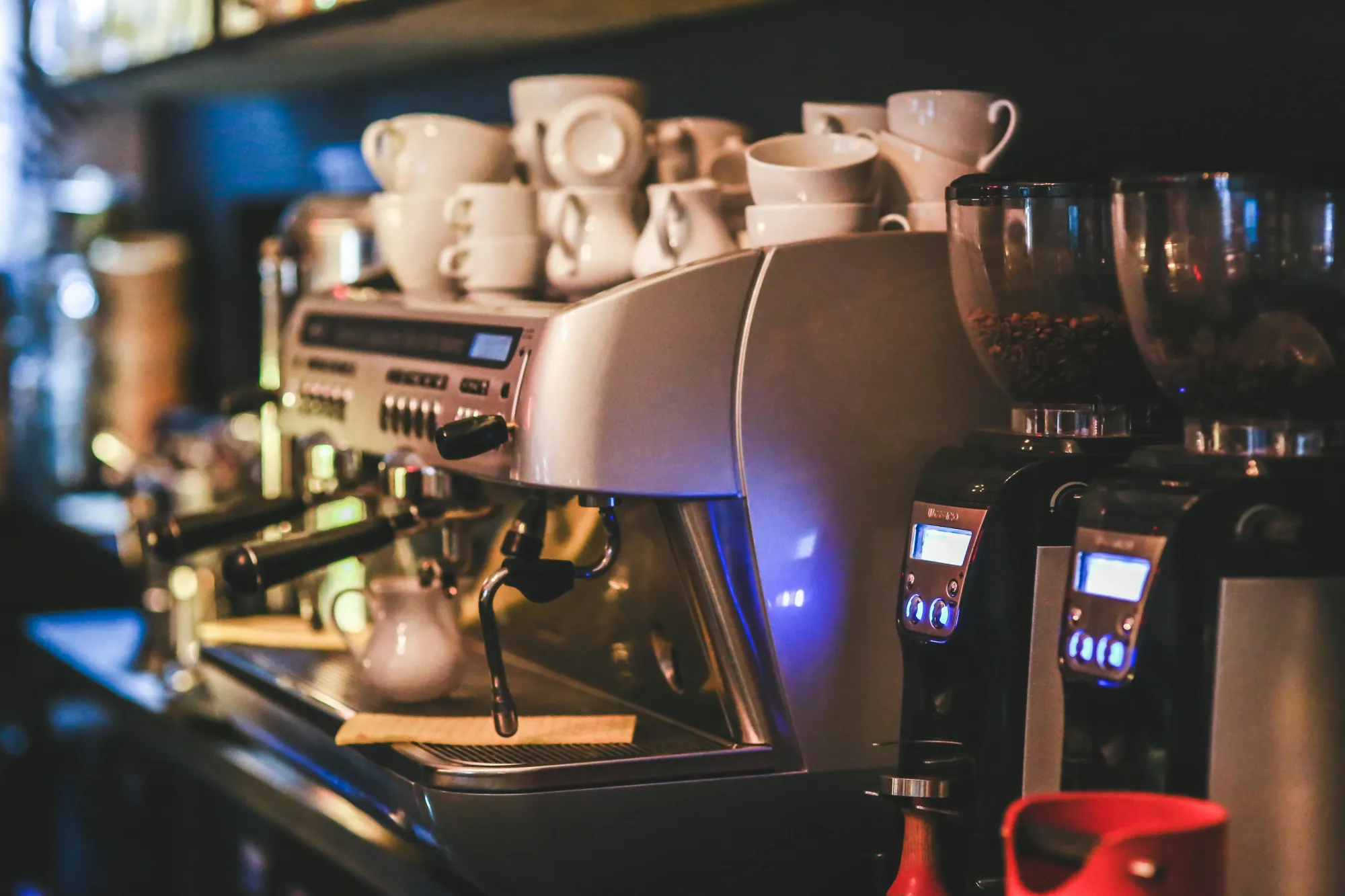
Third‑wave coffee, specialty teas and home brewing gear are growing among urban consumers. International brands offering beans, equipment and subscription boxes tailored to Indian tastes can win.
Healthy ready‑to‑eat and plant‑based foods
Health‑conscious consumers want convenient food that still feels clean and protein‑rich. Global plant‑based and health‑food brands that localise flavours can access a growing niche.
Kitchenware & bakeware
Home cooking and baking saw a pandemic bump that is sticking in many households. Quality cookware, knives and bakeware with good after‑sales support can carve out premium spaces.
Gourmet sauces, condiments & world‑cuisine kits
Indians increasingly experiment with global cuisines at home. Brands offering ready‑to‑cook kits and sauces with clear instructions can become pantry staples.
How India’s payment ecosystem supports these 50 industries
All of this opportunity only converts into revenue if it is easy for Indian customers to pay you. India is now one of the most advanced digital payments markets in the world, the Unified Payments Interface (UPI) has been recognised by the IMF as the world’s largest retail fast‑payment system, accounting for around 49 percent of global real‑time payment transactions by volume. In 2025, UPI processed over 129 billion transactions, more than Brazil, Thailand, China and South Korea combined, underscoring its scale and reliability.
For the 50 categories above, this behaviour has a simple implication: if you only support international cards, you will lose conversions to local and global competitors who offer UPI‑first, local‑method‑friendly checkout. Smooth onboarding, trusted local payment options and predictable FX/pricing are critical to turning Indian interest into actual revenue.
At a high level, foreign brands usually have three ways to make this work: rely on a global card‑only PSP, set up an Indian entity and integrate domestic PSPs, or partner with an RBI‑regulated cross‑border provider (such as a PA‑CB‑aligned platform) that can accept INR via UPI/local methods and settle to your offshore accounts. The right model depends on your scale, category and appetite for local setup, but in all cases, the payment experience cannot be an afterthought.
Where EximPe fits in
EximPe sits precisely at the intersection of this consumption story and the payment plumbing needed to capture it. It is an India‑regulated payments platform designed specifically to help global companies, PSPs, and fintechs receive payments from India without setting up a local entity, while staying aligned with RBI’s cross‑border guidelines and PA‑CB framework. EximPe supports UPI‑first checkout alongside other local methods Indian customers already use and then settles funds to foreign merchants in currencies like USD, EUR or GBP through authorised banking partners.
In other words, whether you are selling K‑beauty to Tier‑2 shoppers, SaaS to Indian SMEs or concert tickets to outbound travellers, EximPe gives you a compliant, UPI‑first way to actually get paid by Indian customers.
FAQ
Frequently Asked Questions
Not always. Many global brands start by selling into India cross‑border using marketplaces, logistics partners and regulated payment providers that can collect in INR and settle offshore. As volumes grow and operations deepen, some choose to set up local entities for tax, hiring or brand reasons, but it is not a prerequisite for testing demand.
Yes, but you cannot plug into UPI directly as a foreign entity. You typically work through a regulated Indian payment provider or PA‑CB‑aligned platform that connects to UPI and local methods, collects INR on your behalf and then settles in foreign currency. EximPe is positioned to provide exactly this kind of UPI‑first, cross‑border collection layer.
Most providers charge a mix of per‑transaction fees and an FX markup over an underlying reference rate, sometimes varying by corridor, method and volume. As a best practice, insist on clear disclosure of the base rate, markup and any bank pass‑through fees so your effective take‑rate is predictable for each category you operate in.
High‑level, opportunity‑first content like this article is a good starting point, but you will want deeper operational guidance. EximPe’s own resources include detailed guides on accepting payments from India as a foreign business, understanding RBI’s PA‑CB framework, and enabling UPI on platforms like Shopify for Indian customers, which you can consult when you are ready to move from strategy to execution.