What Is Custom Duty? Types, Calculation and How to Pay It in 2026
Custom duty explained: the 2026 duty stack, a worked calculation, and the full ICEGATE payment process including UPI and card payments.
Listen to article
Audio version (0% complete)
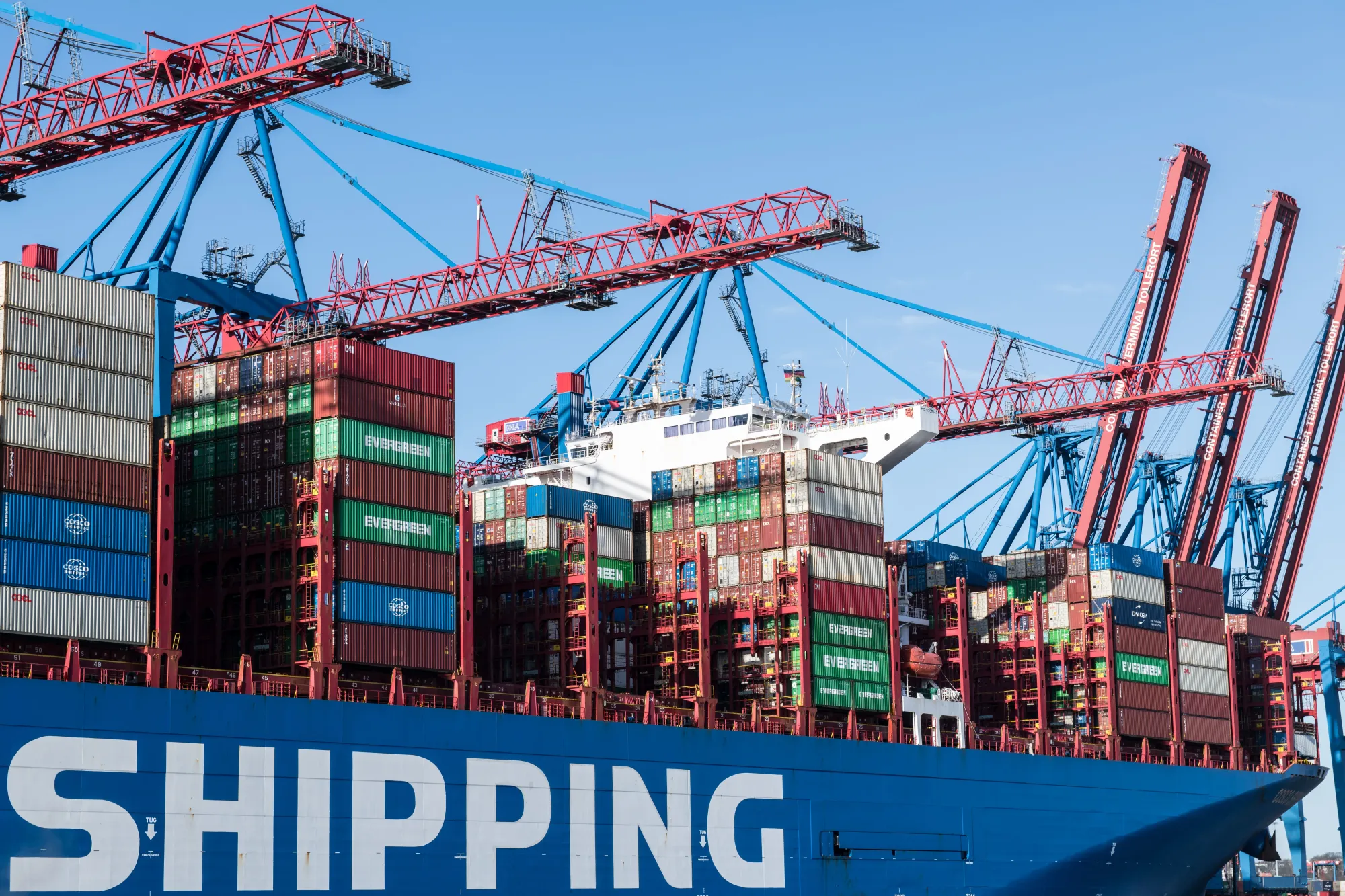
Customs duty is the tax Indian Customs charges on goods crossing the border. On imports you pay it before your cargo is released, no payment, no Out of Charge, no delivery. It is calculated on the assessable value of the shipment, not the invoice value, and it is almost never a single tax.
That last point is where most importers lose money. You budget for "20% duty," the Bill of Entry lands at 44%, and the difference was sitting in three separate line items you didn't know were stacked on top of each other.
This guide covers what customs duty actually is, the four charges that make up the 2026 duty stack, how the calculation runs step by step, and the full ICEGATE payment walkthrough.
What is customs duty?
Customs duty is an indirect tax levied under the Customs Act, 1962, on goods imported into or exported from India. Rates come from the Customs Tariff Act, 1975, and are applied against the HSN code you declare on your Bill of Entry.
It does two jobs. It raises revenue, and it regulates trade, making imported goods more expensive so domestic manufacturers can compete, and giving the government a control point for restricted and prohibited items.
In practice, most Indian exports leave duty-free. Export duty exists but applies to a short list of commodities. When an Indian business talks about "customs duty," they almost always mean import duty.
The four charges that make up your duty
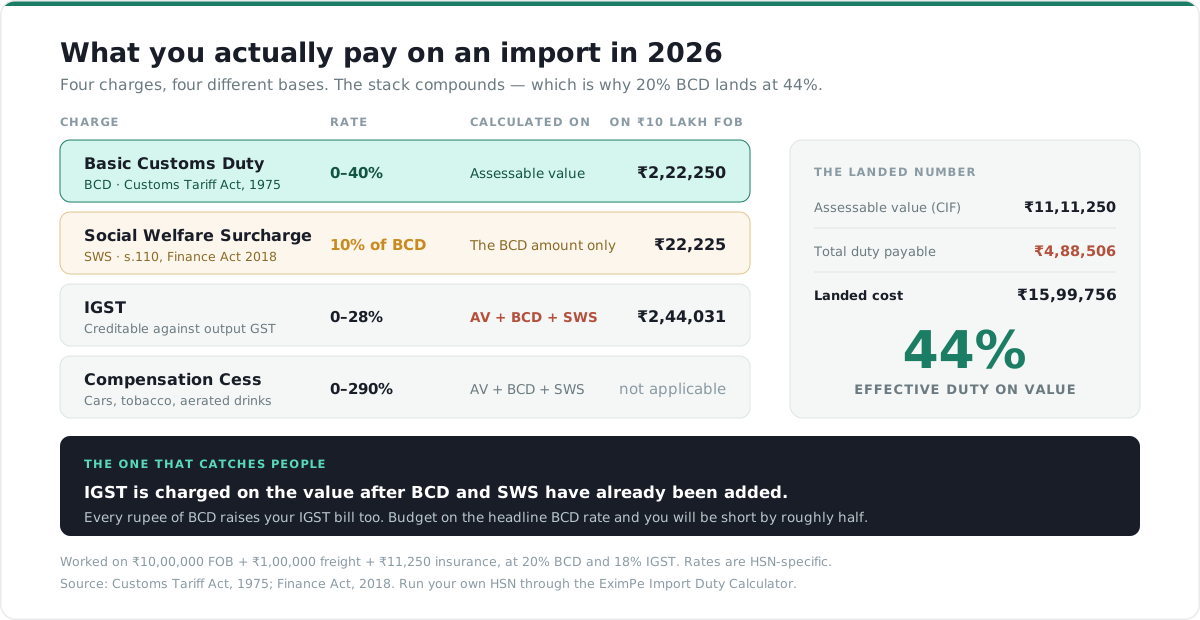
You are not paying one tax. You are paying a stack, and each layer is calculated on a different base, which is why the total is always higher than the headline BCD rate suggests.
Charge | Rate | Calculated on | What it is |
Basic Customs Duty (BCD) | 0-40%, varies by HSN | Assessable value | The primary import tax under the Customs Tariff Act, 1975 |
Social Welfare Surcharge (SWS) | 10% of BCD (3% on specified goods) | The BCD amount only | Funds government social welfare schemes |
IGST | 0-28%, usually 18% | Assessable value + BCD + SWS | GST charged at the border, creditable against output GST |
Compensation Cess | 0-290%, varies | Assessable value + BCD + SWS | Applies to luxury and demerit goods - cars, tobacco, aerated drinks |
Three situational charges sit on top of these when they apply. Anti-dumping duty targets goods sold to India below normal value. Safeguard duty is a temporary shield against an import surge. Countervailing duty offsets subsidies given by the exporting country's government.
The one that catches people is IGST. It is charged on the value after BCD and SWS have been added, so every rupee of BCD you pay increases your IGST bill as well. The stack compounds.
The good news: IGST paid at import is available as input tax credit against your output GST liability, so for a GST-registered business it is a cash-flow cost rather than a sunk cost. BCD, SWS and Compensation Cess are not creditable. They are pure cost, and they belong in your landed price.
Three duties that no longer exist
If a duty calculation you were given includes CVD, SAD, Education Cess or Secondary and Higher Education Cess, it was built on a pre-2018 template. All four were removed years ago, and quoting them signals to a supplier or a customer that your costing is stale.
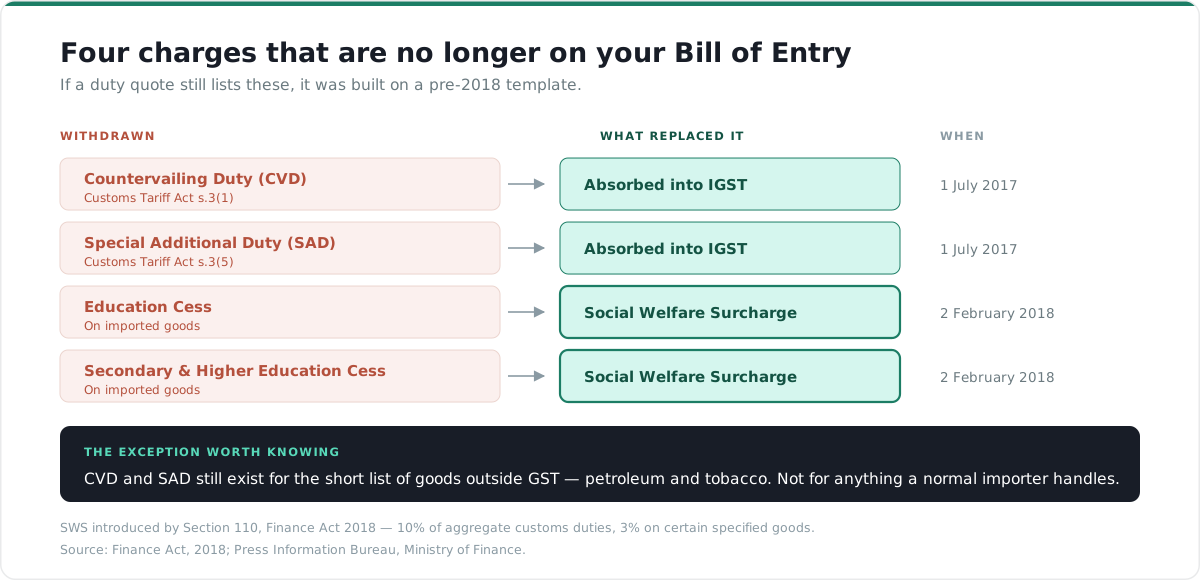
When GST came in on 1 July 2017, Countervailing Duty and Special Additional Duty were absorbed into IGST for every commodity brought under GST. They survive in the statute only for the short list of goods that sit outside GST, like petroleum products and tobacco, mainly. For anything a normal importer handles, they are gone.
The Education Cess and Secondary and Higher Education Cess on imported goods were abolished in Budget 2018 and replaced by the Social Welfare Surcharge, introduced by Section 110 of the Finance Act, 2018, with effect from 2 February 2018. SWS is 10% of the aggregate customs duties, dropping to 3% on certain specified goods.
How customs duty is calculated
Duty is calculated on assessable value, not on what you paid the supplier. Assessable value is the CIF value - cost, insurance and freight, landed at an Indian port.
Assessable Value = FOB + Freight + Insurance
Where freight is not evidenced, Customs applies a notional 20% of FOB. Where insurance is not evidenced, it applies 1.125% of FOB. Getting actual documented figures in front of the appraiser is usually cheaper than accepting the notional rates. We break the valuation mechanics down in detail in our guide to CIF, FOB and assessable value.
Here is the full run on a ₹10,00,000 electronics consignment at 20% BCD and 18% IGST.
Step | Calculation | Amount |
1. FOB value | Supplier invoice | ₹10,00,000 |
2. Add freight | Actual ocean freight | ₹1,00,000 |
3. Add insurance | 1.125% of FOB | ₹11,250 |
4. Assessable value | FOB + freight + insurance | ₹11,11,250 |
5. BCD | 20% × ₹11,11,250 | ₹2,22,250 |
6. SWS | 10% × ₹2,22,250 | ₹22,225 |
7. IGST base | AV + BCD + SWS | ₹13,55,725 |
8. IGST | 18% × ₹13,55,725 | ₹2,44,031 |
9. Total duty | BCD + SWS + IGST | ₹4,88,506 |
10. Landed cost | AV + total duty | ₹15,99,756 |
A 20% duty rate produced a 44% effective charge on assessable value. Your ₹10 lakh order lands at ₹16 lakh. This is the calculation that turns a profitable quote into a loss-making one when it is skipped at the pricing stage.
Rates are HSN-specific and change with every Budget. Run your actual code through the Import Duty Calculator before you commit to a price, and confirm the classification with the HSN Code Finder - a wrong code is the single most expensive mistake in this process, because it changes every number below it.
How to pay customs duty on ICEGATE in 2026
This is the part that has completely changed, and where an out-of-date process costs you real time at the port.
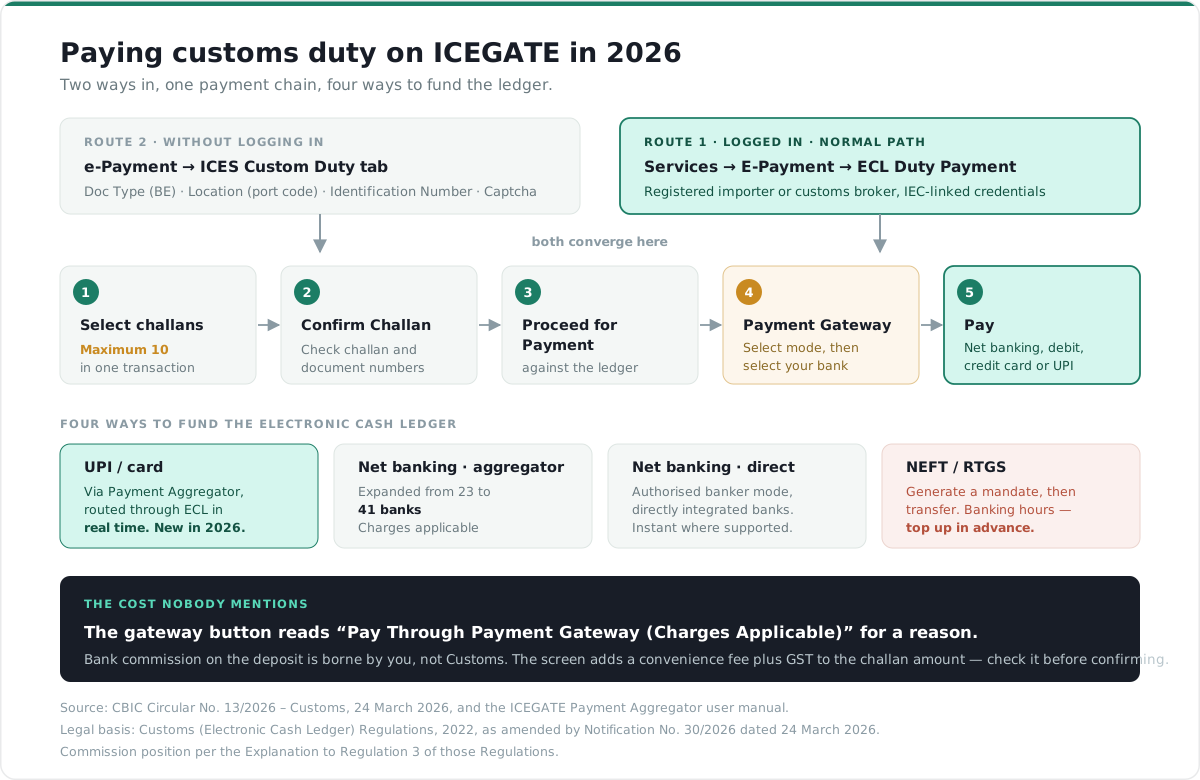
Duty no longer works as "open the challan, pick your bank, pay it." Payments run through the Electronic Cash Ledger (ECL), a prepaid wallet on ICEGATE governed by the Customs (Electronic Cash Ledger) Regulations, 2022. CBIC introduced the ECL in April 2023 and extended it to courier shipments in March 2024.
You fund the ledger, then debit it against your Bills of Entry. The practical gain is that you are no longer forced into one gateway transaction per BOE, you can clear several shipments from a single balance.
What changed in March 2026
CBIC Circular No. 13/2026 - Customs, dated 24 March 2026 enabled a Payment Aggregator as an authorised payment mode on the ICEGATE e-Payment platform. Three things came with it:
- Credit card, debit card and UPI became available for customs duty for the first time.
- Internet banking expanded from 23 directly integrated banks to 41 banks through the aggregator route.
- Payments made this way are routed instantaneously through the ECL before being accounted against your duty.
The legal amendment to the ECL Regulations was made by Notification No. 30/2026, dated 24 March 2026. ICICI Bank, Indian Overseas Bank, SBI and HDFC Bank were onboarded first, with more banks being added as testing completes.
One cost note that matters and is easy to miss. Under the Explanation to Regulation 3 of the ECL Regulations, 2022, any bank commission on a deposit is borne by you, not by Customs. The aggregator screen shows this as a convenience fee with GST on top of it, added to the challan amount. On a large duty payment, card and UPI convenience are not free , check the fee before you confirm.
Route 1: paying after logging in
This is the normal path for a registered importer or customs broker.
- Log in at icegate.gov.in with your IEC-linked credentials.
- Navigate to Services → E-Payment → ECL Duty Payment.
- Select the unpaid challans you want to clear. A maximum of ten challans can be selected and paid in one go.
- Click Confirm Challan.
- Review the List of Selected Unpaid Challans - it shows challan number, challan date, document number, document date and total amount against your identification number and location code. Verify these against your Bill of Entry before proceeding.
- Click Proceed for Payment.
- Choose Payment Gateway as the payment mode.
- Select your bank.
- Click Pay Through Payment Gateway (Charges Applicable).
- Click Continue, then choose Net Banking, Debit Card, Credit Card or UPI.
- Check the summary screen - transaction ID, challan number, amount, convenience fee, GST and total - then authenticate and pay.
Route 2: paying without logging in
ICEGATE also exposes a guest path for a single challan, useful when you need to clear one shipment and don't have the account holder available.
Go to the ICEGATE e-Payment page and select the ICES Custom Duty tab. The screen also carries ECCS, Topup and Voluntary Payment tabs - Topup is where you fund the ECL wallet directly rather than paying a specific challan.
Enter your Document Type (BE for a Bill of Entry), your Location - the customs port code, for example Kolkata Sea (INCCU1), and your Identification Number, complete the captcha, and click Proceed. From there the challan selection and payment steps run as above.
The four ways to fund the ledger
Funding route | How it works | Best for | Watch out for |
UPI, credit or debit card | Via the ICEGATE Payment Aggregator, routed through ECL in real time | Occasional or lower-value payments; banks not directly integrated | Convenience fee plus GST, borne by you |
Internet banking (aggregator) | Net banking across 41 banks through the aggregator | Regular filers whose bank is on the expanded list | Charges applicable on the aggregator route |
Internet banking (authorised banker) | Direct integration with your authorised bank | Importers banking with one of the directly integrated banks | Limited to the directly integrated list |
NEFT / RTGS via RBI | Generate a mandate and transfer to top up the wallet | Large top-ups | Depends on banking hours, fund before the BOE reaches the payment stage |
That last row is the one that causes demurrage. NEFT and RTGS do not settle instantly, and a Bill of Entry sitting at the payment stage over a weekend accrues container detention charges. If you know a large consignment is landing, top the ledger up in advance.
After you pay
Payment status and the duty payment receipt are pulled through Public Enquiries 2.0, which replaced the legacy enquiry pages in February 2026. Old bookmarked tracking URLs no longer resolve. We cover the tracking path in how to check Bill of Entry status online on ICEGATE, and the registration and login mechanics including the DSC and GSTIN mapping problems that block first-time users, in our ICEGATE login and registration guide.
Where importers lose money on duty
Classifying to the wrong HSN code. Every number in the calculation hangs off the code. A wrong classification is not a rounding error, it is a reassessment, a penalty, and a held container.
Budgeting on BCD alone. The stack compounds. Price on total landed cost or you are quoting a number you cannot honour.
Treating IGST as a cost. It is creditable against output GST for a registered business. Treating it as sunk cost inflates your landed price and loses you deals.
Accepting notional freight and insurance. 20% of FOB is a lot more than most actual ocean freight bills. Produce the documents.
Funding the ledger too late. Detention and demurrage cost more per day than the convenience fee you were trying to avoid.
Paying duty when you could defer it. If goods are going into stock rather than straight into production, customs bonded warehousing lets you postpone the duty outflow until clearance.
Related reading
Duty rates shifted in the last Budget, see import duty changes in Budget 2026. For the most common sourcing lane, we have a dedicated breakdown of import duty from China to India. Two comparisons worth clearing up: customs duty versus GST and excise duty versus customs duty. And the document the whole process runs on is explained in what is a Bill of Entry.
Frequently asked questions
Frequently Asked Questions
It is the tax Indian Customs charges on goods crossing the border. On imports it must be paid before Customs releases your cargo, and it is calculated on the assessable value of the shipment rather than the invoice value alone.
The standard stack is Basic Customs Duty, Social Welfare Surcharge at 10% of BCD, IGST, and Compensation Cess on luxury and demerit goods. Anti-dumping duty, safeguard duty and countervailing duty apply situationally. CVD, SAD and the education cesses no longer apply to goods under GST.
Start with assessable value - FOB + freight + insurance. Apply BCD to that. Add SWS at 10% of the BCD amount. Then apply IGST to the assessable value + BCD + SWS. Add Compensation Cess and any anti-dumping or safeguard duty where applicable.
Yes. Since CBIC Circular No. 13/2026 dated 24 March 2026, the ICEGATE Payment Aggregator accepts UPI, credit cards and debit cards, routed through the Electronic Cash Ledger. A convenience fee plus GST applies and is borne by you.
Up to ten challans can be selected and paid in a single transaction through ECL Duty Payment.
A prepaid wallet on ICEGATE, introduced in April 2023 under the Customs (Electronic Cash Ledger) Regulations, 2022. You fund it by UPI, card, net banking or NEFT/RTGS, then debit it against any number of duty challans.
It is not refunded, but a GST-registered business can claim it as input tax credit against output GST liability. BCD, SWS and Compensation Cess are not creditable.
Usually not. Export duty applies only to a short list of specified commodities. Most Indian exports leave the country duty-free.